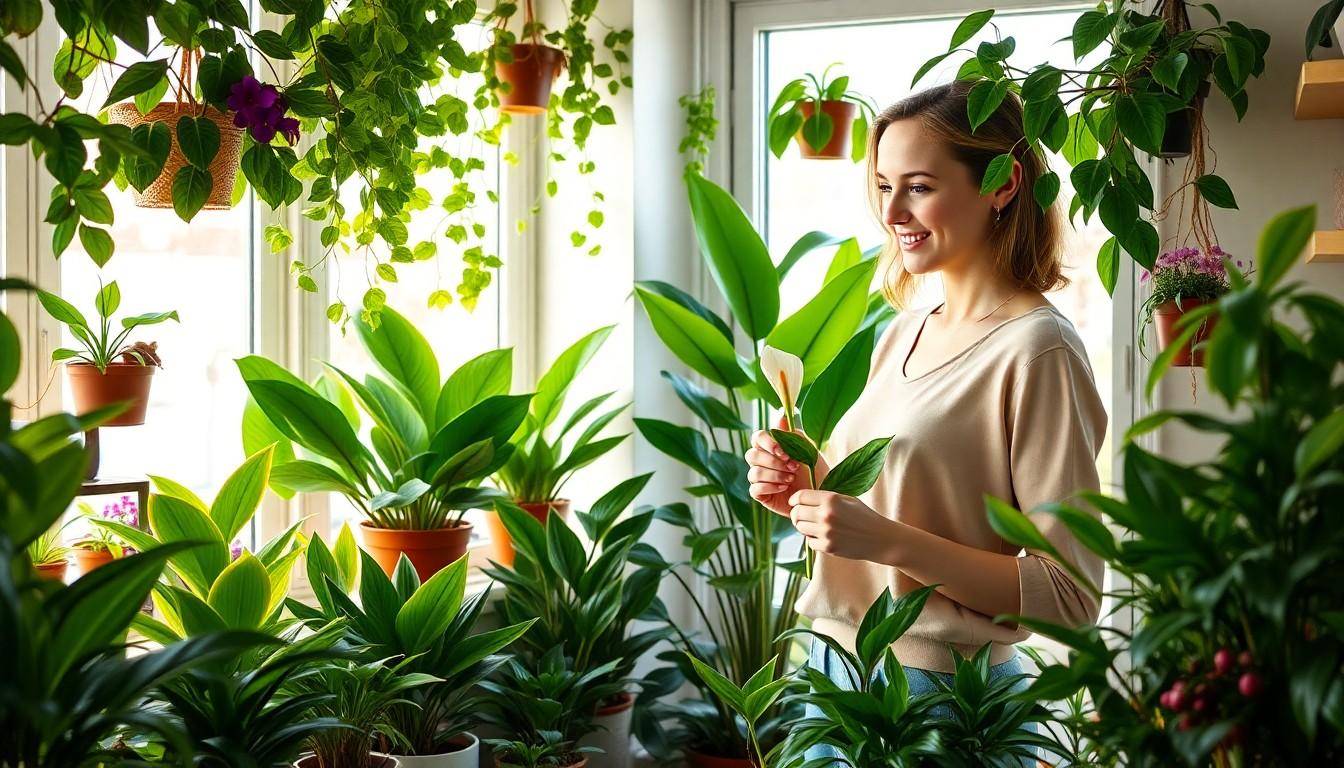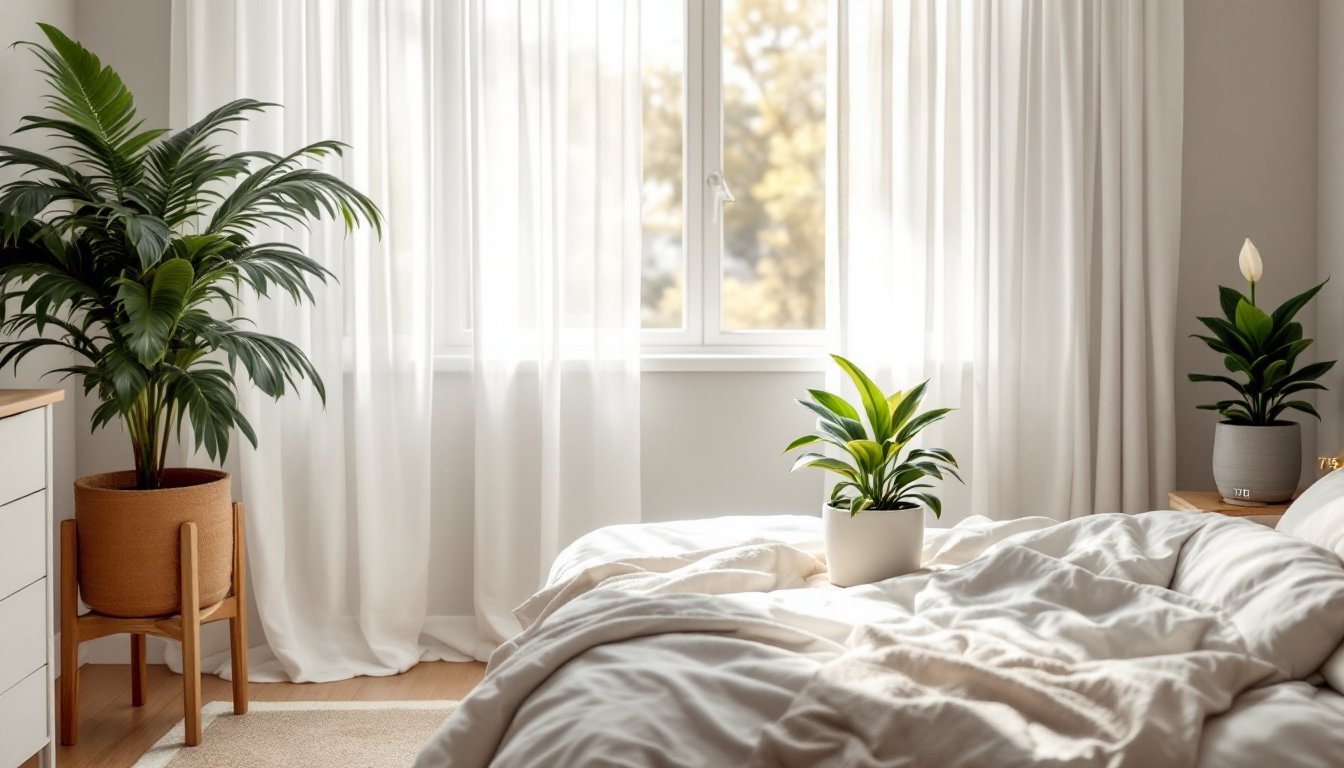
A bedroom should be a sanctuary, a place where the air feels clean, sleep comes easier, and waking up doesn’t feel like dragging yourself out of a fog. While most people think about mattresses and blackout curtains, few consider what’s happening with the air they’re breathing for eight hours a night. Indoor plants aren’t just décor: certain species actively produce oxygen and filter airborne toxins, making them functional additions to a sleep space. This guide focuses on plants with documented air-purifying abilities, how to care for them without turning your nightstand into a greenhouse, and where to place them for measurable impact.
Table of Contents
ToggleKey Takeaways
- Snake plants, areca palms, and peace lilies are the best oxygen-producing indoor plants for bedrooms, with CAM photosynthesis species releasing oxygen at night when it matters most.
- Oxygen-producing plants remove VOCs like formaldehyde, benzene, and toluene while naturally regulating humidity levels—a 6-foot areca palm transpires roughly one liter of water per day.
- Proper care is essential for air purification: use drainage holes, water when soil is dry, provide indirect light, and clean leaves monthly to maximize oxygen production and toxin removal.
- Group 3–4 medium-sized plants within a 3–6 foot radius of the bed to create an efficient air filtration zone that covers a 150–200 square foot bedroom effectively.
- Place oxygen-producing plants on nightstands near the bed rather than across the room—the myth that plants steal oxygen at night is false, and proximity increases air quality benefits during sleep.
Why Indoor Plants Matter for Bedroom Air Quality
Most bedrooms are tighter than people realize. Windows stay closed for climate control, doors stay shut for privacy, and the result is stale air cycling through the same space for hours. That recycled air carries volatile organic compounds (VOCs) from furniture finishes, mattress off-gassing, paint, and cleaning products.
Certain plants engage in a process called CAM photosynthesis (Crassulacean Acid Metabolism), which means they take in carbon dioxide and release oxygen at night, the opposite of most plants. This makes them uniquely suited for bedrooms, where oxygen levels naturally dip during sleep. NASA’s Clean Air Study from 1989 identified several species that remove formaldehyde, benzene, and trichloroethylene from indoor air. While one potted plant won’t replace a HEPA filter, a few strategically placed specimens can contribute to measurably fresher air over time.
The key is understanding that air purification happens through both foliage surface area and root-zone microbial activity. Soil microbes break down VOCs, while leaf stomata absorb gaseous pollutants. Larger leaf surface area generally equals better filtration, but species variation matters more than size alone.
Plants also regulate humidity. A bedroom sitting at 30% relative humidity (common in winter with forced-air heat) dries out nasal passages and makes sleep uncomfortable. A few potted plants naturally release moisture through transpiration, nudging humidity into the 40–50% range without running a humidifier.
Top Oxygen-Producing Plants for Better Sleep
Snake Plant (Sansevieria)
Snake plants are nearly indestructible and one of the few that perform CAM photosynthesis, releasing oxygen after dark. They tolerate low light, irregular watering, and a range of temperatures, making them ideal for anyone who travels or forgets to water for weeks.
Nominal size: Most varieties grow 1–3 feet tall in a standard 6–10 inch pot. The cultivar Sansevieria trifasciata ‘Laurentii’ has yellow-edged leaves and stays compact: S. cylindrica grows upright like spears.
Care requirements: Water every 2–3 weeks during growing season (spring/summer), every 4–6 weeks in winter. Let the soil dry completely between waterings, overwatering causes root rot faster than neglect. Use a cactus/succulent mix or standard potting soil amended with perlite for drainage. Fertilize once in spring with half-strength liquid fertilizer: they don’t need much.
Air purification: Snake plants remove formaldehyde, xylene, toluene, and nitrogen oxides. A study from Naresuan University in Thailand found one snake plant per 100 square feet of floor space provides measurable air quality improvement.
Areca Palm (Dypsis Lutescens)
Areca palms are workhorses for air purification and humidity regulation. Their feathery fronds offer massive surface area for transpiration, which humidifies dry bedroom air naturally. They’re also non-toxic to pets, unlike many other palms.
Nominal size: Areca palms sold at nurseries range from 3-foot starter plants to 6–7 foot specimens in 14-inch pots. They grow slowly indoors, expect 6–10 inches of height per year under ideal conditions.
Care requirements: These prefer bright, indirect light, an east- or south-facing window with sheer curtains works well. Water when the top inch of soil feels dry (usually once a week in summer, less in winter). They’re sensitive to chlorine and fluoride, so let tap water sit overnight before using, or switch to distilled. Fertilize monthly during spring and summer with a balanced (10-10-10) liquid fertilizer at half strength. Brown leaf tips indicate low humidity or chemical sensitivity in the water.
Air purification: Areca palms excel at removing formaldehyde, xylene, and toluene. According to research published in the Journal of the American Society for Horticultural Science, they release significant moisture, one 6-foot palm transpires roughly one liter of water per day.
Peace Lily (Spathiphyllum)
Peace lilies are among the top performers in NASA’s air purification rankings and one of the few flowering indoor plants that thrive in low-light bedrooms. Their white spathes (the “flower” is actually a modified leaf) add visual interest without being overpowering.
Nominal size: Standard varieties grow 1–2 feet tall: larger cultivars like ‘Sensation’ can reach 4–6 feet. Most bedrooms accommodate a peace lily in an 8–10 inch pot comfortably.
Care requirements: Peace lilies tolerate low to medium indirect light but bloom more reliably with brighter exposure. Water when the plant begins to droop slightly, they’re dramatic about thirst and recover quickly once watered. Avoid letting them sit in standing water: root rot is common. Use a well-draining potting mix and fertilize every 6–8 weeks during the growing season with a balanced fertilizer. Wipe leaves monthly with a damp cloth to remove dust and keep stomata clear for gas exchange.
Safety note: Peace lilies contain calcium oxalate crystals and are toxic if ingested by pets or children. Keep them on dressers or high shelves if that’s a concern.
Air purification: They filter formaldehyde, benzene, trichloroethylene, ammonia, and acetone. One peace lily per 100 square feet is the recommended density for noticeable air quality benefits.
How to Care for Bedroom Plants and Maximize Oxygen Production
Plant health directly impacts air purification. A struggling plant with yellowed leaves and compacted soil isn’t photosynthesizing efficiently, and it won’t contribute much to oxygen production or VOC removal.
Soil and potting: Use containers with drainage holes. Sitting in waterlogged soil suffocates roots and encourages fungal growth, which can release spores into bedroom air, the opposite of what you’re trying to achieve. Standard potting mix works for most species, but amend with perlite or coarse sand for succulents like snake plants. Repot every 18–24 months or when roots circle the pot’s interior.
Watering schedule: More bedroom plants die from overwatering than underwatering. Check soil moisture by sticking a finger 1–2 inches down: if it’s dry, water thoroughly until it drains from the bottom. Dump excess water from saucers after 15 minutes. In winter, most plants enter dormancy and need half the water they do in summer.
Light requirements: Even “low-light” plants need some light. A north-facing window or a spot 6–8 feet from a south-facing window provides enough ambient light for snake plants and peace lilies. If your bedroom has no natural light, consider a small LED grow light (full-spectrum, 20–40 watts) on a timer for 8–10 hours daily. Position it 12–18 inches above foliage.
Humidity and temperature: Most tropical species (areca palms, peace lilies) prefer 40–60% relative humidity and temperatures between 65–75°F. Bedrooms with forced-air heating drop below that in winter. Group plants together to create a microclimate, or set pots on trays filled with pebbles and water (pot base above water level) to increase local humidity through evaporation.
Leaf maintenance: Dust clogs stomata and reduces a plant’s ability to absorb CO₂ and release oxygen. Wipe large-leafed plants with a damp microfiber cloth monthly. For smaller leaves, a gentle rinse in the shower (lukewarm water, low pressure) works well. Let foliage dry before returning plants to low-light areas to avoid fungal issues.
Fertilization: Indoor plants grow slower than outdoor specimens and need less fertilizer. Over-fertilizing causes salt buildup in soil, which burns roots and stresses plants. Use a balanced liquid fertilizer (10-10-10 or 5-5-5) at half the label-recommended strength, applied every 4–6 weeks during spring and summer. Skip fertilizer entirely in fall and winter unless you’re supplementing with grow lights.
Pest management: Common indoor pests include spider mites, fungus gnats, and mealybugs. Inspect plants weekly, especially leaf undersides and stem joints. Wipe mealybugs off with rubbing alcohol on a cotton swab. Spider mites hate humidity, misting plants or increasing room humidity usually keeps them in check. Fungus gnats breed in moist soil: letting the top inch dry out between waterings breaks their lifecycle. Avoid chemical pesticides in bedrooms: insecticidal soap or neem oil are safer alternatives if infestations get severe.
Placement Tips for Optimal Air Purification
Where a plant sits in a bedroom affects both its health and its ability to filter air. You’re balancing access to light, airflow, and proximity to pollution sources.
Near the bed vs. across the room: Some people worry about plants near the bed “stealing oxygen” at night. This is a myth. The amount of CO₂ a plant releases at night is negligible compared to what a sleeping human exhales. In fact, CAM plants like snake plants add oxygen at night. Place them on nightstands or the floor within 3–4 feet of the bed for maximum benefit while sleeping.
Window placement: Most bedroom plants thrive in indirect light, bright enough to read a book comfortably without artificial lighting, but no direct sun on the leaves. South- and west-facing windows can scorch foliage: use sheer curtains or position plants 4–6 feet back. East-facing windows provide gentle morning sun and are ideal for areca palms. North-facing windows work for snake plants and some peace lilies, though growth will be slower.
Avoid heat sources: Don’t place plants directly above radiators, baseboard heaters, or heating vents. The blasting dry air desiccates foliage faster than you can water. If your only window is above a radiator, use a small plant stand or table to elevate pots 12–18 inches above the heat source.
Airflow considerations: Stagnant air encourages mold and pests. A bedroom with a ceiling fan (on low speed) or a small oscillating fan improves air circulation without stressing plants. Don’t aim fans directly at foliage: indirect airflow is enough.
Grouping for efficiency: According to research on plant density, clustering 3–4 medium-sized plants in one area creates a more effective air filtration zone than scattering single plants around a large room. The combined transpiration and microbial activity boosts localized air quality. A corner setup with an areca palm, a peace lily, and a snake plant covers a 150–200 square foot bedroom effectively.
Height variation: Use plant stands, shelves, or hanging planters to vary plant height. This maximizes foliage distribution through different air layers in the room. Snake plants work well on the floor or low nightstands: trailing pothos (another solid air purifier, though not in this list) can go on high shelves: areca palms fill vertical space naturally.
Proximity to pollution sources: Place air-purifying plants near known VOC sources, next to dressers made of particleboard, near new paint or wallpaper, or alongside electronics that off-gas plasticizers. Plants filter air in their immediate vicinity most effectively (within a 3–6 foot radius).
Avoid overcrowding: A bedroom crammed with a dozen plants might look like a jungle, but it also raises humidity to uncomfortable levels (above 60%) and can harbor pests. For a standard 120–150 square foot bedroom, 3–5 medium-sized plants provide air quality benefits without overwhelming the space. If you’re drawn to larger statement plants, one or two might be all you need.
Rotate seasonally: If your bedroom gets significantly less light in winter (common in northern climates), rotate plants to brighter rooms during the day and bring them back at night, or invest in a small grow light. Plants that go dormant from lack of light stop photosynthesizing and won’t contribute to air purification.
Finally, check the most adaptable species if you’re new to bedroom plants: starting with a proven performer builds confidence before experimenting with finicky tropicals. And if space allows, mixing in some of the standout varieties can make the room feel less utilitarian and more like a retreat.