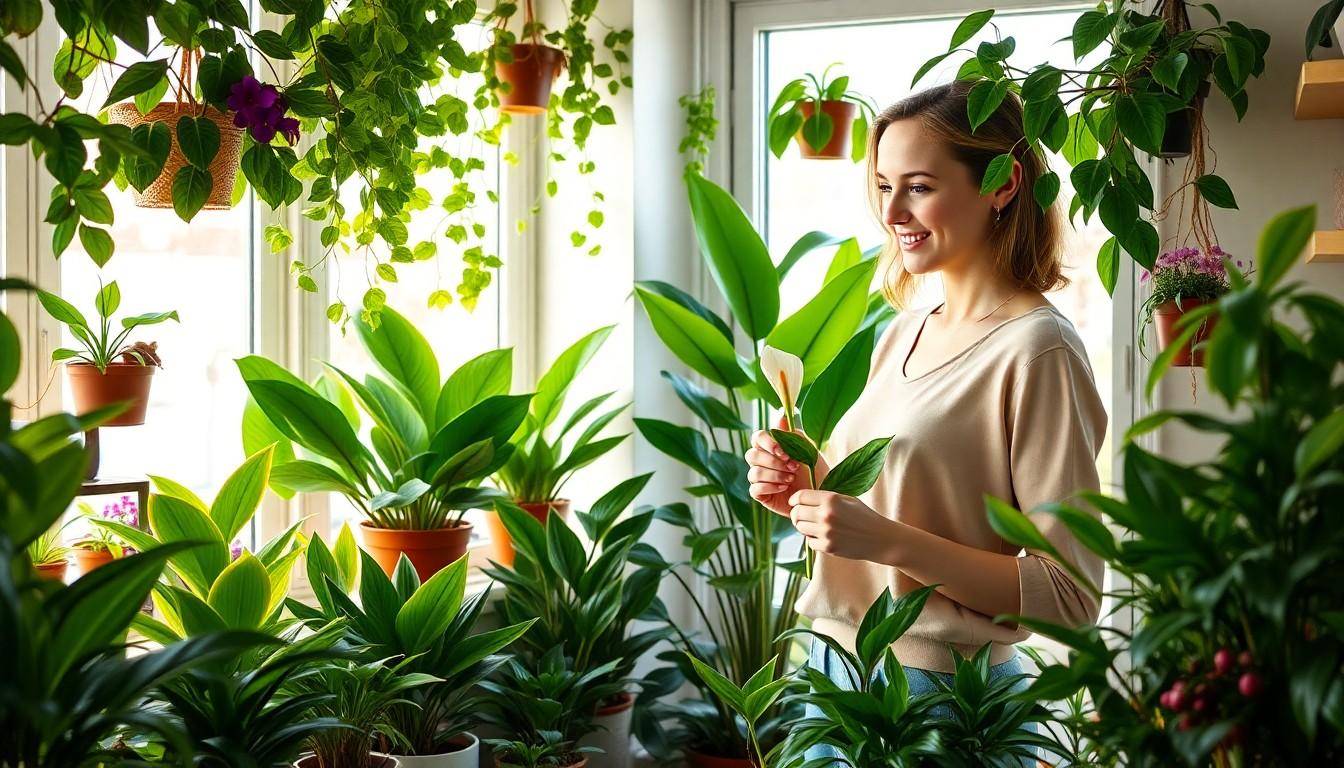
Dim corners, shaded hallways, and north-facing rooms don’t have to stay bare. Low light hanging plants thrive in those often-neglected spaces where most greenery would sulk and fade. Unlike sun-hungry succulents or flowering tropicals, these varieties evolved on forest floors or beneath dense canopies, they’re built for shade. Hanging them adds vertical interest without eating up floor space, and many of these plants tolerate erratic watering and varying humidity. Whether you’re dealing with a basement apartment or simply want to soften that awkward nook above the bookshelf, the right trailing plant can turn a forgotten zone into a living focal point.
Table of Contents
ToggleKey Takeaways
- Low light hanging plants thrive in dim corners and shaded spaces by utilizing vertical real estate without competing for prime window locations.
- Pothos and philodendron are the easiest low light hanging plants for beginners, tolerating light levels as low as 50–75 foot-candles and requiring minimal maintenance.
- Overwatering is the leading cause of death for low-light houseplants; check soil moisture every 7–14 days and ensure drainage holes prevent root rot.
- Light absorption improves when you dust leaves regularly and provide at least some natural light or supplemental grow lighting—even low-light hangers need photons to thrive.
- Choose hanging hardware rated for 10–15 pounds and position plants 4–6.5 feet high depending on walkway safety and visibility for cascading vines.
Why Hanging Plants Are Perfect for Low Light Indoor Spaces
Hanging plants work exceptionally well in low light because they make the most of vertical real estate without demanding prime window spots. Standard floor plants compete for the limited sunny zones near glass, but a hanging basket can claim space over a console table, in a bathroom corner, or along a hallway where natural light barely reaches.
Many trailing species naturally grow as understory plants in their native habitats, think tropical rainforests where sunlight filters through multiple layers of canopy. They’ve adapted to photosynthesize efficiently under low photon counts, meaning they won’t stretch and weaken the way light-hungry plants do. This makes them forgiving housemates for anyone without a wall of south-facing windows.
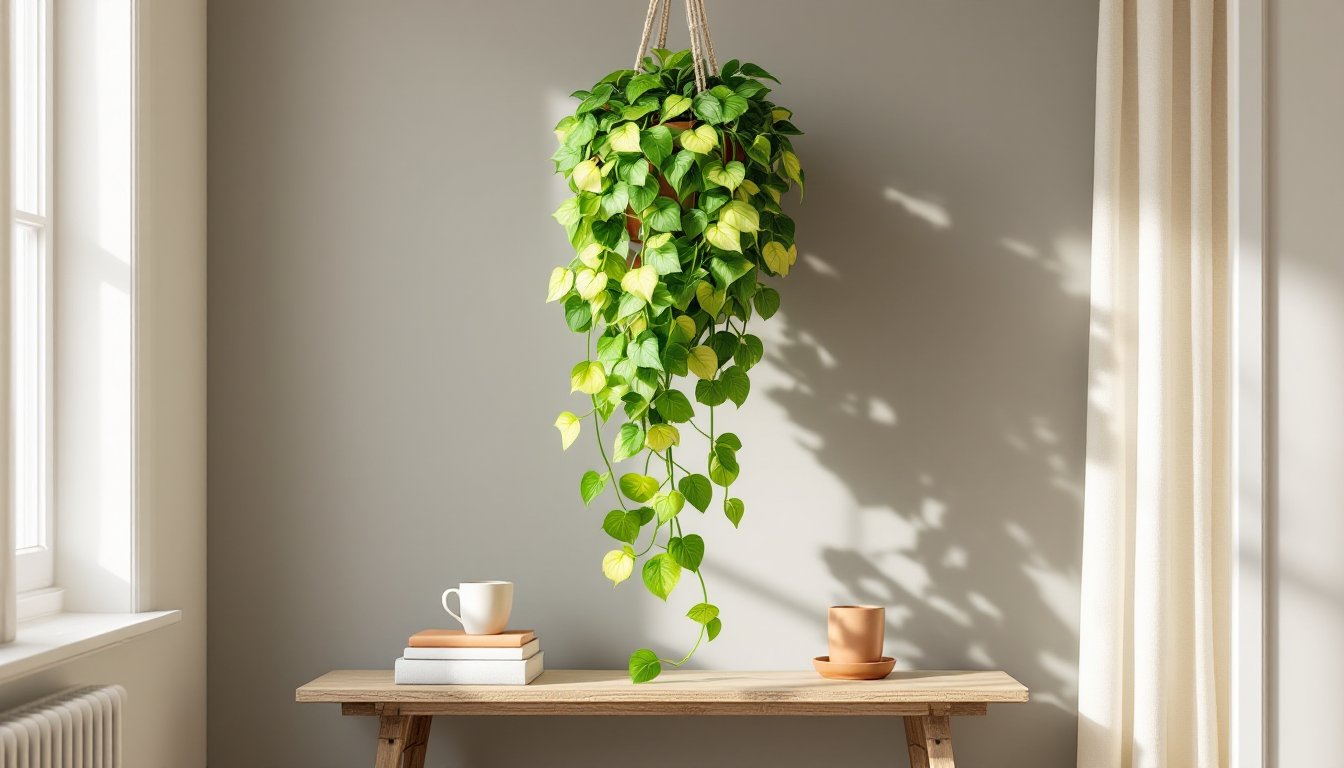
From a design perspective, cascading foliage draws the eye upward and softens hard edges. A pothos vine spilling from a macramé hanger can break up the visual monotony of a blank wall, and the movement of leaves adds life to static rooms. Functionally, elevating plants also keeps them out of reach of pets and small children, and improves air circulation around the foliage, important for preventing fungal issues in dim, still environments.
Finally, hanging installations are often easier to water than fiddling with pots tucked behind furniture. Many growers appreciate low-maintenance varieties that don’t require daily misting or precise schedules. Most low light hangers tolerate drought better than overwatering, so a weekly check-in is usually enough.
Best Low Light Hanging Plants for Your Home
Pothos: The Easiest Trailing Plant for Beginners
Pothos (Epipremnum aureum) tops nearly every beginner plant list for good reason. It tolerates neglect, low humidity, and light levels as low as 50–75 foot-candles, roughly what you’d get from a north-facing window or a room with ambient daylight but no direct sun. The heart-shaped leaves cascade several feet, and variegated cultivars like ‘Golden Pothos’ or ‘Marble Queen’ retain their patterns even in shade, though growth slows compared to brighter conditions.
Pothos roots readily in water, so propagation is as simple as snipping a stem below a node and placing it in a jar. This makes it easy to refresh leggy growth or share cuttings. The plant is also highly tolerant of irregular watering: it’ll droop when thirsty and perk back up within hours of a drink. That visual cue makes it nearly impossible to kill by underwatering.
One caution: pothos is toxic to cats and dogs if ingested, so hang it high or in a room pets don’t access. The vines can grow 10+ feet indoors, so plan to prune occasionally or let them trail over a shelf or beam. For those exploring viney house plants, pothos offers the most versatility in styling, train it up a moss pole, let it hang loose, or drape it along a mantel.
Philodendron: Classic Cascading Beauty
Heartleaf philodendron (Philodendron hederaceum) is often confused with pothos, but its leaves are thinner, more elongated, and lack the waxy sheen. It thrives in similar low light conditions, even fluorescent office lighting, and its vines can stretch 20 feet or more if left unchecked. The ‘Brasil’ cultivar adds chartreuse and yellow variegation, which holds up surprisingly well in shade.
Philodendrons appreciate slightly more humidity than pothos, so they do well in bathrooms or kitchens where ambient moisture is higher. If your home runs dry in winter, occasional misting or a pebble tray can prevent crispy leaf tips. Watering every 7–10 days is typical: let the top 2 inches of soil dry between drinks.
Like pothos, philodendrons are toxic to pets and humans. They also prefer to be slightly root-bound, so repotting every 2–3 years is sufficient. Use a standard well-draining potting mix, no need for specialty soils. The plant responds well to monthly feeding during spring and summer with a balanced liquid fertilizer diluted to half strength. Overfertilizing in low light leads to salt buildup and burnt roots, so err on the side of less.
Research from Hunker highlights philodendron as one of the most reliable options for spaces with minimal natural light, noting its ability to adapt to various humidity levels.
Spider Plant: Air-Purifying and Adaptable
Spider plants (Chlorophytum comosum) are workhorses, nearly indestructible and forgiving of almost any light condition short of total darkness. They produce arching, grass-like foliage striped in green and cream, and mature plants send out long stems dotted with baby plantlets (spiderettes) that dangle like ornaments. These offshoots can be rooted in soil or water to propagate new plants.
Spider plants prefer bright indirect light but adapt to low light by slowing their growth and producing fewer babies. They tolerate fluorescent bulbs well, making them ideal for windowless offices or basements. Watering needs are moderate, once or twice a week depending on pot size and ambient humidity. They’re sensitive to fluoride and chlorine, which cause brown leaf tips, so if your tap water is heavily treated, let it sit overnight or use filtered water.
One quirk: spider plants form thick, tuberous roots that can crack pots if left root-bound too long. Repot every 1–2 years into a container one size larger, using standard potting mix. They’re non-toxic to pets, which makes them a safer choice for homes with curious cats or dogs.
For growers interested in easy-care greenery, spider plants rank among the most reliable performers. They also contribute to improved indoor air quality by filtering formaldehyde and xylene, according to NASA’s Clean Air Study.
How to Care for Indoor Hanging Plants in Low Light Conditions
Watering is the trickiest variable in low light. Plants photosynthesize less, so they consume water more slowly. Overwatering is the leading cause of death for low-light houseplants, roots sit in soggy soil, oxygen is displaced, and rot sets in. Check soil moisture by sticking a finger 2 inches down: if it’s damp, wait. Most hanging plants in shade need water every 7–14 days, but this varies with pot size, material (terracotta dries faster than plastic), and ambient temperature.
Use pots with drainage holes. Hanging planters often lack saucers, so water over a sink or tub, allowing excess to drain completely. If using a decorative cover pot, empty any standing water after 15 minutes. Root rot smells sour and causes yellowing lower leaves, if you catch it early, trim affected roots and repot in fresh, dry soil.
Soil should be light and chunky to promote aeration. A standard potting mix works, but adding perlite or orchid bark (about 20% by volume) improves drainage. Avoid garden soil or dense mixes: they compact and suffocate roots. Low light plants don’t need frequent repotting, every 2–3 years is typical unless roots are visibly circling the drainage holes.
Fertilizing should be minimal. In low light, plants grow slowly and don’t demand heavy feeding. Apply a balanced liquid fertilizer (10-10-10 or similar) at half the recommended strength once a month during spring and summer. Skip feeding in fall and winter when growth naturally slows. Overfertilizing causes salt buildup, burnt leaf edges, and weak, leggy growth.
Cleaning foliage improves light absorption. Dust blocks the limited photons your plant receives, so wipe leaves with a damp cloth every few weeks. For small-leaved plants like pothos, a gentle shower in the sink works. Avoid leaf-shine products, they clog pores and can cause more harm than good.
Pruning keeps plants compact and encourages bushier growth. Snip leggy vines just above a node (the bump where leaves emerge), and the plant will branch from that point. Pruning also prevents vines from tangling or overwhelming their space. Many indoor gardeners who manage flowering indoor plants also appreciate the value of regular pruning to maintain plant health.
Humidity isn’t critical for most low-light hangers, but if you notice crispy leaf tips, mist occasionally or group plants together to raise local humidity. Bathrooms and kitchens naturally provide more moisture. Avoid placing plants near heating vents or drafty windows, which dry them out quickly.
Choosing the Right Location and Hanging Solutions
Location comes down to available light and accessibility. North-facing windows or rooms 10–15 feet from an east or west window work well. Hallways, bathrooms with frosted glass, and corners opposite windows are all viable. Avoid fully interior rooms with no windows unless you supplement with a grow light, even low-light plants need some photons.
Test light levels with a light meter app (many are free) or a dedicated meter. Low light is generally 50–250 foot-candles: anything below 50 is considered very low and will stress most plants over time. If you’re unsure, start with pothos or philodendron, they’re the most forgiving.
Hanging hardware must support the combined weight of plant, soil, water, and pot. A saturated 8-inch pot can weigh 10–15 pounds. For drywall, use a toggle bolt or screw into a ceiling joist (locate it with a stud finder). Adhesive hooks rated for 10+ pounds work on some surfaces but aren’t reliable for long-term installations. If renting, tension rods in door frames or freestanding plant stands with hanging arms avoid wall damage.
Planters come in several styles. Plastic hanging pots are lightweight and retain moisture longer, ideal for forgetful waterers. Ceramic or terracotta looks upscale but adds weight and dries out faster. Macramé hangers are trendy but make sure the inner pot has drainage. Self-watering planters reduce watering frequency but can promote root rot if the reservoir isn’t managed carefully.
Leave at least 12 inches of clearance below the pot for vines to cascade. For doorways or high-traffic areas, hang plants high enough that no one bumps their head, 6.5 feet minimum for walkways. In corners or over furniture, lower placements (4–5 feet) create more visual impact.
Consider accessibility when choosing height. If you need a stepladder every time you water, you’re less likely to stay consistent. Adjustable-length hangers (rope, chain, or pulley systems) let you lower the plant for maintenance and raise it back up for display. Some growers prefer grouping multiple hangers at staggered heights for a layered jungle effect.
For additional ideas on plant placement, styling guides often suggest pairing trailing plants with upright varieties on nearby shelves to create depth. Experiment with placement over a few weeks, if leaves yellow or vines stop growing, try a slightly brighter spot. Low light doesn’t mean no light, and even small adjustments can make a difference.