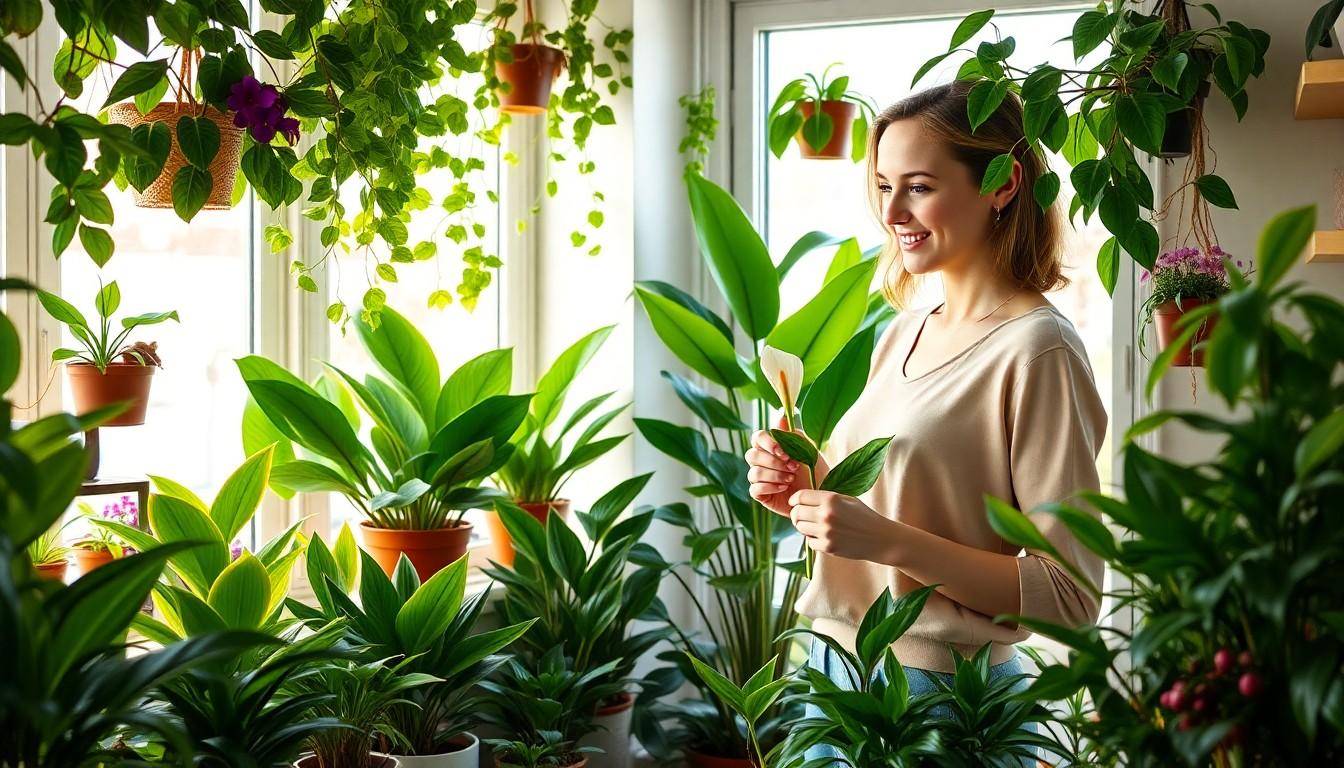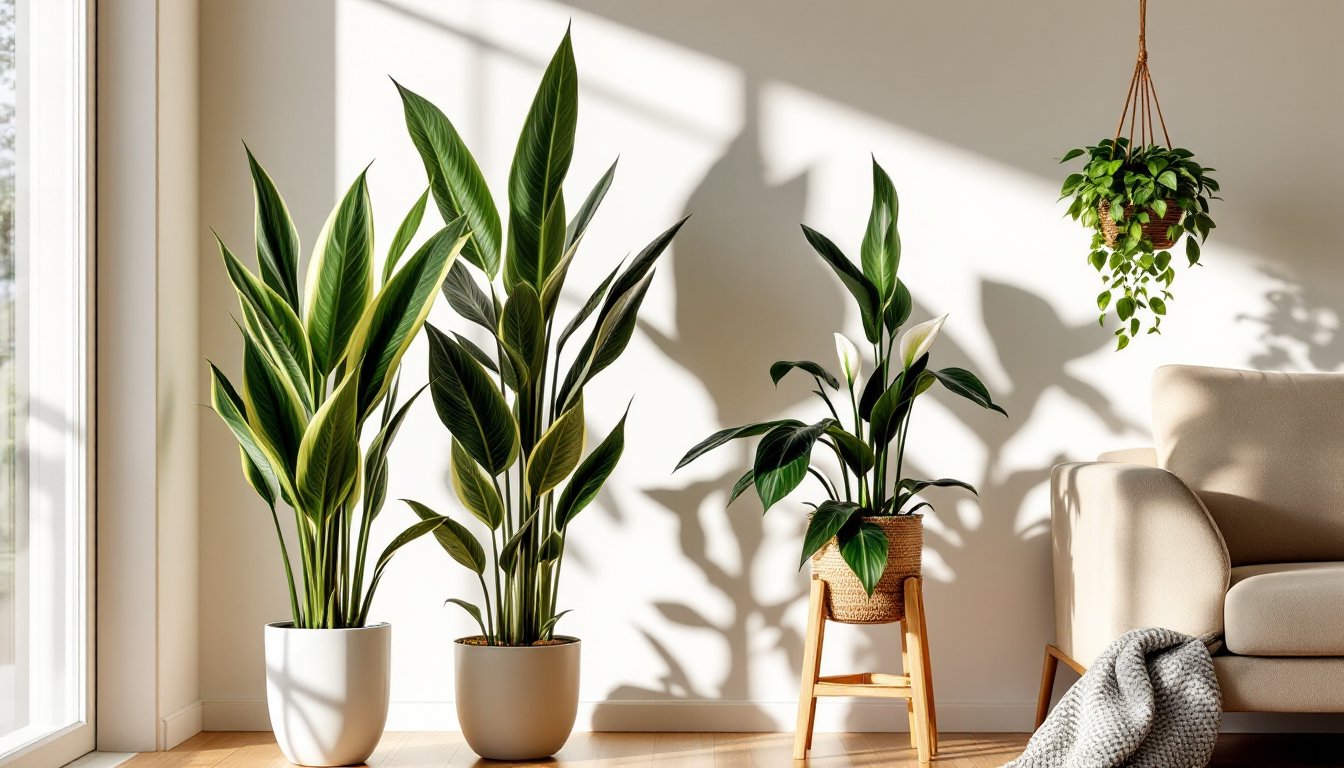
Indoor air quality often ranks worse than outdoor air, sometimes two to five times more polluted, according to the EPA. That’s where the right plants come in. Instead of relying solely on mechanical filters or expensive air purifiers, strategic placement of certain houseplants can naturally reduce volatile organic compounds (VOCs), carbon dioxide, and airborne particulates. This isn’t lifestyle fluff: NASA’s landmark Clean Air Study tested dozens of species and identified which ones actually move the needle on pollutants like formaldehyde, benzene, and trichloroethylene. Below is a practical guide to the best performers, how to keep them thriving, and where to position them for maximum benefit.
Table of Contents
ToggleKey Takeaways
- Indoor plants that purify the air work through two mechanisms: leaves absorb gaseous pollutants during photosynthesis, and soil microbes break down organic compounds in the root zone for effective natural filtration.
- Snake plant, peace lily, and spider plant are the top performers for removing formaldehyde, benzene, and trichloroethylene, with snake plant being the most low-maintenance and spider plant being the only pet-safe option among the three.
- Position one medium-to-large plant per 100 square feet of floor space, with snake plants and spider plants in bedrooms to release oxygen at night, and peace lilies in living rooms near furniture to combat VOCs from upholstery and electronics.
- Overwatering is the leading cause of failure for air-purifying plants—check soil moisture two inches deep before watering, and always empty saucers within 15 minutes to prevent root rot.
- Indoor plants are most effective as a supplementary layer alongside proper ventilation, exhaust fans, and ERV/HRV systems, not as replacements for HEPA filters in large homes.
- Maintain consistent care through bright indirect light, 40–60% relative humidity, well-draining soil mixes, and monthly fertilization during growing seasons to sustain both plant health and air-purifying effectiveness.
Why Air-Purifying Plants Matter for Your Home
Most VOCs come from everyday sources: off-gassing paint, pressed-wood furniture, cleaning products, even carpets and upholstery. Formaldehyde lingers from particleboard and plywood. Benzene shows up in tobacco smoke and synthetic fabrics. Trichloroethylene hides in dry-cleaned garments. Modern homes are tighter than ever, great for energy efficiency, terrible for ventilation.
Plants filter air through two mechanisms. First, leaf surfaces absorb gaseous pollutants via stomata during photosynthesis. Second, microbes in the root zone break down organic compounds as they pass through the soil medium. The more root mass and soil volume, the better the filtration.
Expect realistic results. A single potted plant won’t replace a HEPA filter in a 2,000-square-foot home. Recent studies on houseplants suggest one medium-to-large plant per 100 square feet of floor space as a reasonable baseline. Combine plants with proper ventilation, crack windows when weather permits, run exhaust fans, and use ERV or HRV systems if your HVAC supports them. Think of plants as a supplementary layer, not a silver bullet.
Safety note: Some air-purifying species are toxic to pets or children if ingested. Cross-reference the ASPCA list before bringing any new plant home, especially if you have curious cats or toddlers.
Top Indoor Plants That Clean Your Air Naturally
Snake Plant: The Low-Maintenance Air Filter
Snake plant (Sansevieria trifasciata) is nearly indestructible. It tolerates low light, irregular watering, and a wide temperature range, ideal for beginners or anyone who travels frequently. NASA’s study highlighted its ability to remove formaldehyde, xylene, and toluene.
Snake plants perform CAM photosynthesis, meaning they open stomata at night and release oxygen while most plants shut down. That makes them a solid choice for bedrooms. Water only when the top two inches of soil are bone-dry: overwatering causes root rot faster than anything else. Use a well-draining cactus mix or amend standard potting soil with perlite at a 1:1 ratio.
Place them in corners or along hallways where foot traffic is light. They grow slowly, expect 2 to 4 inches per year, so repotting every two to three years is plenty. If leaves yellow at the base, you’re watering too often. If tips turn brown, humidity is very low or you’ve used tap water high in fluoride: switch to filtered or rainwater.
Toxicity warning: Mildly toxic to cats and dogs. Keep out of reach if pets chew plants.
Peace Lily: Beauty Meets Function
Peace lily (Spathiphyllum) removes ammonia, benzene, formaldehyde, and trichloroethylene. It also signals when it needs water: leaves droop noticeably, then perk up within hours of watering. That built-in feedback loop prevents both over- and under-watering.
Peace lilies thrive in medium, indirect light, north- or east-facing windows work well. Direct sun scorches leaves: too little light reduces blooming. Keep soil consistently moist but not soggy. They prefer high humidity, so grouping them with other houseplants or placing them on a pebble tray with water below the pot helps.
Brown leaf tips indicate low humidity, fluoride sensitivity, or salts from tap water. Trim damaged tips with clean shears: the plant recovers quickly. Fertilize monthly during spring and summer with a balanced 20-20-20 liquid fertilizer diluted to half strength. Peace lilies are moderate feeders: more isn’t better.
Toxicity warning: Toxic to cats, dogs, and children if ingested. Contains calcium oxalate crystals that cause oral irritation and drooling.
Spider Plant: Pet-Friendly and Effective
Spider plant (Chlorophytum comosum) removes formaldehyde and xylene and is non-toxic to pets, rare among the top air-purifying species. It produces long, arching leaves and sends out runners (stolons) with baby plantlets, which you can propagate by snipping and rooting in water or soil.
Spider plants tolerate a range of light conditions but grow fastest in bright, indirect light. Water when the top inch of soil dries out. They store moisture in tuberous roots, so they’ll forgive occasional neglect better than overwatering. Brown tips usually mean fluoride or chlorine in tap water: let water sit overnight or use filtered water.
These plants look best in hanging baskets or on tall plant stands where the cascading foliage can drape freely. Divide crowded root balls every two years to refresh growth. Spider plants are prolific, you’ll have extras to share or distribute around the house.
Pro tip: If you see yellowing leaves near the base, check for root rot or excessive fertilizer salts. Flush the soil with water to leach salts, and dial back feeding to once every six weeks.
How to Care for Your Air-Purifying Plants
Watering consistency matters more than frequency. Most air-purifying plants fail from root rot caused by overwatering, not neglect. Stick a finger two inches into the soil: if it’s dry, water until it drains from the bottom. Empty saucers after 15 minutes, standing water invites fungus gnats and root disease.
Light requirements vary, but “indirect light” means the plant receives bright illumination without direct sun hitting the leaves. South- and west-facing windows flood rooms with intense light: filter it with sheer curtains or position plants a few feet back. North- and east-facing windows provide gentler light suitable for low-light species like snake plants and pothos.
Humidity is often overlooked. Most tropical air-purifiers prefer 40–60% relative humidity. In winter, forced-air heating drops indoor humidity below 30%. Grouping plants raises local humidity through transpiration. Alternatively, run a portable humidifier or place plants in naturally humid rooms, bathrooms and laundries, if light permits.
Soil and potting mix should drain freely. Standard potting soil works for peace lilies, but snake plants and succulents need cactus mix or a blend of potting soil, perlite, and coarse sand at a 1:1:1 ratio. Repot every 12–24 months or when roots circle the drainage holes. Choose pots one size larger: oversized containers hold excess moisture and slow growth.
Fertilizer isn’t optional if you want sustained growth and filtration. Use a balanced liquid fertilizer (10-10-10 or 20-20-20) diluted to half the label rate. Feed every four weeks during the growing season (spring through early fall), then pause in winter when most plants go dormant. Over-fertilizing causes salt buildup, which manifests as brown leaf margins.
Pest management is easier when you catch problems early. Inspect new plants before bringing them indoors. Common pests, spider mites, mealybugs, aphids, scale, thrive in dry, stagnant air. Wipe leaves monthly with a damp cloth to remove dust and check undersides for webbing or sticky residue. Treat infestations with insecticidal soap or neem oil: repeat weekly for three weeks to break pest life cycles.
PPE: Wear gloves when handling plants toxic to humans. Wash hands after repotting or pruning.
Where to Place Air-Purifying Plants for Maximum Impact
Bedrooms benefit from snake plants and spider plants, which release oxygen at night. Position them on nightstands or dressers within three feet of the bed. Avoid overwatering in bedrooms: high humidity encourages dust mites and mold.
Living rooms and family rooms are high-traffic zones with upholstered furniture, electronics, and often a gas fireplace, all VOC sources. Place larger specimens like peace lilies or rubber plants near seating areas. Distribute smaller plants on shelves, side tables, or plant stands to increase total leaf surface area.
Home offices accumulate pollutants from printers, particleboard desks, and cleaning sprays. A medium-sized pothos or philodendron on a file cabinet or bookshelf tackles formaldehyde from pressed wood. Keep plants at eye level or slightly below to avoid blocking sightlines during video calls.
Kitchens and bathrooms offer high humidity but variable light. If you have a window, peace lilies, pothos, or ferns thrive. If not, snake plants tolerate low light and still filter air. Avoid placing plants directly above stoves, heat and grease damage foliage.
Basements and utility rooms often have poor ventilation and off-gassing from stored paints, solvents, or laundry products. If you have a walk-out basement or adequate grow lights, position spider plants or snake plants near laundry areas. Plants need at least 12–16 hours of light daily if relying on artificial sources: use full-spectrum LED grow bulbs rated for at least 2,000 lumens.
Avoid direct floor vents or radiators. Hot, dry air desiccates foliage and stresses plants. Keep them at least two feet away from forced-air registers. Similarly, cold drafts from exterior doors or single-pane windows cause leaf drop.
Rotate plants quarterly. Most species grow toward light: rotating pots 90 degrees every few months promotes even foliage. If a plant leans heavily or develops one-sided growth, it’s not getting enough light, relocate or supplement with a grow light.
Match plant size to room volume. One large peace lily in a 10-inch pot filters roughly 100 square feet. For a 200-square-foot bedroom, aim for two medium plants or one large and two small. Don’t overcrowd sills or tabletops: air circulation around leaves improves transpiration and reduces mold risk.
Consider vertical space. Wall-mounted planters, hanging baskets, and tiered plant stands increase capacity without cluttering floors. This approach works especially well for cascading varieties like pothos and spider plants.