Sizing up to large pots changes how indoor plants grow and how they look in your home. Beyond just giving roots more room, bigger containers open up plant options that simply won’t thrive in desktop-sized planters, think fiddle-leaf figs, monstera deliciosa, snake plants that actually make a statement, or even small indoor trees. Large pots also reduce watering frequency, stabilize soil temperature, and let you create focal points in empty corners or along bare walls. But choosing the right vessel involves more than picking something that looks good. Material weight, drainage needs, and proper sizing all affect plant health and your ability to move or maintain the setup.
Table of Contents
ToggleKey Takeaways
- Large pots for indoor plants reduce watering frequency to every 7–10 days, stabilize soil temperature, and allow you to grow statement-making species like fiddle-leaf figs and monstera deliciosa that won’t thrive in smaller containers.
- Avoid overpotting by sizing up only 2–4 inches in diameter from the current pot; oversized containers trap excess moisture and cause root rot and fungal issues.
- Choose pot materials based on your space: terracotta offers breathability but is heavy and porous; fiberglass and resin provide weight savings and durability without the moisture-wicking drawbacks.
- Drainage holes are mandatory for all large pots—use decorative vessels without drainage as cachepots to protect floors and prevent root rot.
- Layer 1–2 inches of drainage material at the bottom (perlite, lava rock, or gravel) and use high-quality potting mix to ensure proper aeration in large containers.
- Plan placement carefully by measuring total weight when filled, accounting for ceiling height, and using plant saucers or hard surfaces to protect floors from moisture and compression damage.
Why Size Matters: Benefits of Using Large Pots for Indoor Plants
Root systems need space to expand, and cramped roots lead to stunted growth, nutrient deficiencies, and frequent watering cycles. Large pots, typically 14 inches in diameter or larger, give plants room to establish strong root networks without becoming root-bound.
Moisture retention improves significantly in larger volumes of soil. A 20-inch pot holds several gallons of growing medium, which means the soil dries out more slowly than a 6-inch pot. For busy homeowners, this translates to watering once every 7-10 days instead of every other day, depending on plant type and indoor conditions.
Temperature stability matters more than most people realize. Small pots experience rapid temperature swings near windows or heating vents, stressing roots. Larger soil volumes buffer against these fluctuations, keeping root zones more consistent.
From a design standpoint, large pots anchor a room. They work as floor plants in entryways, flanking fireplaces, or filling awkward corners that smaller décor can’t address. Mature plants in appropriately sized containers look intentional, not like they’re waiting to be repotted.
That said, bigger isn’t always better. Overpotting, placing a small plant in an oversized container, creates problems. Excess soil holds moisture the roots can’t access, leading to fungal issues and root rot. Match pot size to the plant’s current root system, with about 2 inches of space around the root ball for most species.
Best Materials for Large Indoor Plant Pots
Material choice affects weight, durability, moisture retention, and cost. Large pots amplify these characteristics, a decision that feels fine at the garden center becomes a real consideration when you’re wrestling a 50-pound planter up a flight of stairs.
Ceramic and Terracotta
Terracotta remains the classic choice for good reason. Unglazed clay is porous, allowing air and moisture to move through the pot walls. This breathability prevents overwatering issues, especially for succulents, cacti, or plants prone to root rot. But, terracotta wicks moisture away from soil faster than plastic, requiring more frequent watering.
Weight is the tradeoff. A 16-inch terracotta pot weighs 20-30 pounds empty and can exceed 60 pounds when filled with quality potting mix and a mature plant. Moving these pots requires plant caddies with locking casters rated for the total weight. Don’t cheap out on caddies, flimsy ones crack under load or scratch hardwood floors.
Glazed ceramic offers more color and finish options while retaining some of terracotta’s weight. Glazing seals the pot, eliminating breathability and turning it into a moisture-retaining container like plastic. Drainage holes are non-negotiable: never use a sealed ceramic pot without drilling drainage or using it strictly as a decorative cachepot around a nursery pot.
Both materials are brittle. Drop one, and it’s done. Freezing temperatures cause cracking, so keep these pots away from drafty windows in winter if you live in a cold climate.
Lightweight Alternatives: Fiberglass and Resin
Fiberglass pots deliver the look of ceramic or concrete at a fraction of the weight. A 20-inch fiberglass planter weighs around 10-15 pounds empty versus 40-50 pounds for an equivalent ceramic. This makes them ideal for second-floor rooms, apartments, or anywhere you might need to relocate plants seasonally.
These pots don’t breathe, so drainage becomes critical. Most fiberglass planters come with pre-drilled holes, but verify before buying. Soil stays moist longer, which works well for tropical large indoor house plants like bird of paradise or rubber trees that prefer consistent moisture.
Resin and heavy-duty plastic pots cost less than fiberglass but still offer significant weight savings. Quality resin planters now mimic stone, wood, or woven textures convincingly. They won’t crack if bumped and handle temperature swings without issue.
The downside? Cheaper plastic pots become brittle under UV exposure and look obviously fake up close. If the pot will sit in direct sun near a south-facing window, expect fading and degradation within a few years. For interior spaces without direct sun, resin performs well and lasts indefinitely.
Self-watering inserts are often designed for resin pots. These reservoir systems work for vacations or low-maintenance setups, though they require understanding how much water your specific plant uses. Overreliance on self-watering can cause root rot in species that prefer drying out between waterings.
How to Choose the Right Size Pot for Your Indoor Plants
Measure the current root ball before shopping. When repotting, choose a container 2-4 inches larger in diameter than the existing pot. A plant in a 10-inch pot moves up to a 12-14 inch pot, not a 20-inch pot. This gradual sizing prevents the overpotting issues mentioned earlier.
For plants purchased as small nursery stock that you know will grow large, like a young monstera or dracaena, you can stage repotting every 1-2 years, or start with a larger pot if the plant is already showing vigorous growth. Check root density by tipping the plant out gently. If roots circle densely around the soil or poke out drainage holes, it’s time to size up.
Depth matters as much as diameter. Shallow-rooted plants like snake plants and pothos don’t need deep pots: a wider, shallower container (often called a bowl or azalea pot) works better and reduces unused soil at the bottom. Deep-rooted plants like palms, citrus trees, or large ficus need proportional depth to anchor properly.
Account for the total weight when filled. A 20-inch pot filled with moist soil and a mature plant can easily hit 100+ pounds. If you can’t move it solo, plan placement carefully before filling. Use a furniture dolly or recruit help. Installing the pot empty, then filling it in place, is smarter than trying to drag a full planter across tile or hardwood.
Consider ceiling height and room scale. A 24-inch tall pot with a 6-foot plant works in a room with 9-foot ceilings but overwhelms a standard 8-foot space. Measure the plant’s mature height and add the pot height to visualize the total footprint.
Drainage saucer size is often overlooked. Make sure the saucer is wide enough to catch runoff from the pot’s drainage holes and deep enough to hold at least a quart of water without overflowing onto your floor. Rubber or plastic saucers prevent moisture damage to wood or carpet.
Top Design Styles and Placement Ideas for Large Indoor Planters
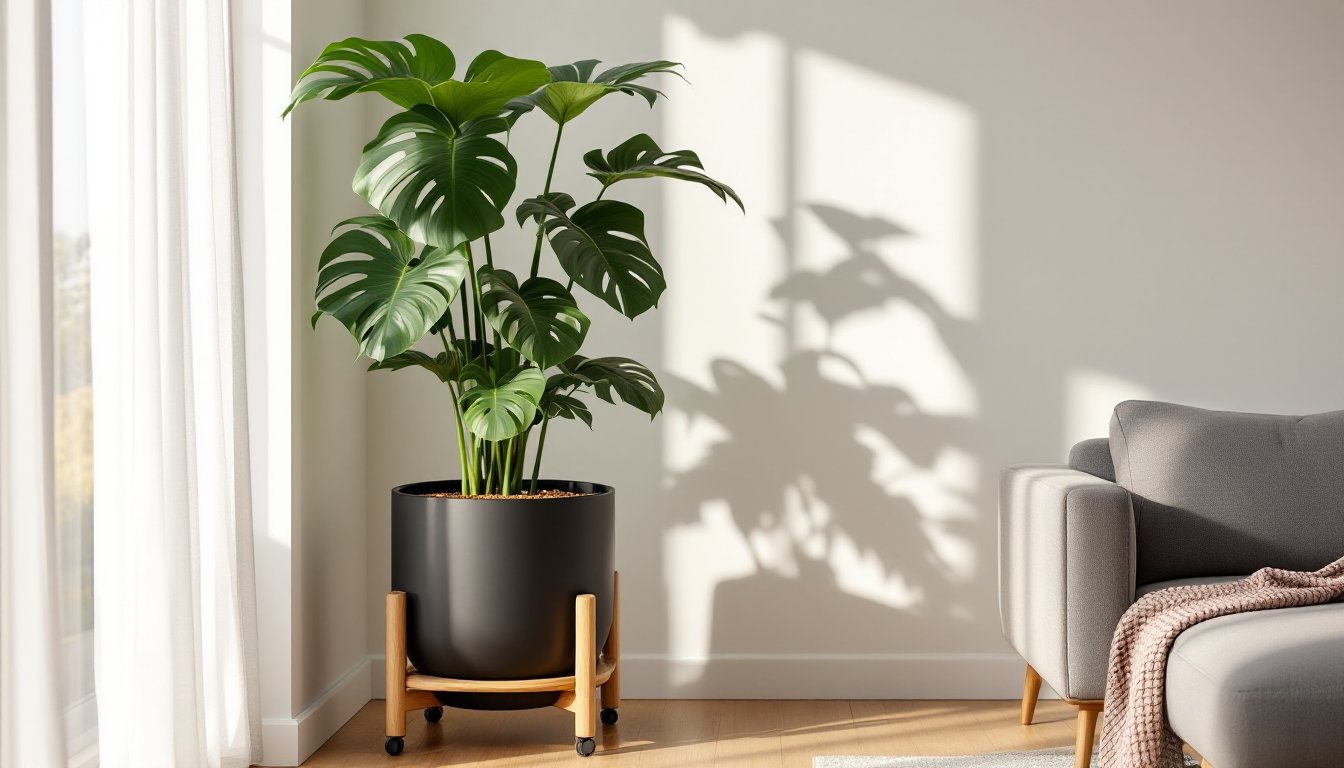
Large pots function as furniture. Treat them as anchors for room layout, not afterthoughts. In modern and minimalist interiors, matte black or white cylindrical planters create clean lines without visual clutter. Pair these with architectural plants like snake plants, ZZ plants, or sculptural cacti.
Mid-century modern spaces suit tapered planters on angled wooden legs, often in walnut or teak finishes. These elevate the plant slightly, improving airflow underneath and preventing moisture buildup on flooring. Fiberglass versions replicate the look at lower cost and weight.
For bohemian or eclectic rooms, textured terracotta, hand-painted ceramic, or woven seagrass planters add warmth. Basket-style planters work as cachepots, slide the nursery pot inside for easy swapping and improved drainage management. Just make sure the basket is lined or sits in a waterproof saucer to prevent leaks.
Industrial aesthetics pair well with concrete or metal planters. Real concrete is extremely heavy: lightweight concrete-look fiberglass is a practical alternative. Galvanized metal tubs or repurposed containers (like old wash basins) work if you drill drainage holes with a step bit and metal-cutting oil.
Placement strategy matters. Corner placement fills dead space and draws the eye upward, especially with tall plants. Use taller pots (18-24 inches) to elevate smaller plants or let large, sprawling species like viney house plants cascade down from height.
Flanking doorways or mantels with matching pots creates symmetry. Choose pots that are identical in size and style for this look, mismatched heights or finishes break the effect. This approach is highlighted in guides showcasing indoor vines and climbing plants for vertical interest.
Large pots also work room dividers in open-plan spaces. A row of 16-20 inch planters with tall plants like bamboo or dracaena can subtly separate a living area from a dining space without blocking light or requiring construction.
Avoid placing heavy pots directly on carpet without a hard surface underneath, soil weight compresses carpet fibers permanently over time, and moisture from saucers can cause mold. Use a plant stand, dolly, or a rigid base like a piece of plywood or a decorative tile.
Essential Care Tips: Drainage, Soil, and Maintenance for Large Pots
Drainage holes are mandatory. Even decorative pots need them. If you fall in love with a pot that lacks drainage, use it as a cachepot. Keep the plant in a plastic nursery pot with drainage, set it inside the decorative pot, and remove it for watering. This method protects floors and prevents root rot.
For pots with drainage, layer 1-2 inches of drainage material at the bottom, perlite, lava rock, or coarse gravel work. Skip coffee filters or landscape fabric at the bottom: they trap water and create anaerobic conditions. Instead, place a small piece of mesh or a broken pottery shard over the drainage hole to prevent soil from washing out while still allowing water flow.
Use high-quality potting mix, not garden soil. Garden soil compacts in containers, suffocating roots. Potting mixes contain peat moss, coco coir, perlite, and sometimes compost, ingredients that retain moisture while allowing air pockets. For large pots, buying potting mix in 2-cubic-foot bags is more economical than quart containers. A 20-inch pot requires roughly 15-20 quarts (about 0.5 cubic feet) of soil, depending on depth.
Weight reduction is possible without sacrificing drainage. Fill the bottom third of very large pots (over 20 inches) with lightweight fill like crushed aluminum cans, packing peanuts in mesh bags, or upside-down plastic nursery pots before adding soil. This cuts weight and reduces the soil volume needed without affecting the root zone.
Watering large pots requires patience. Water slowly until it drains from the bottom holes, then wait 10 minutes and water again to ensure even saturation. Soil in large containers can develop dry pockets, especially if it’s allowed to dry out completely, water will run down the sides without penetrating the root ball. A soil moisture meter takes the guesswork out of when to water, especially for deep pots where surface dryness doesn’t reflect moisture levels 6 inches down.
Fertilizing schedules differ for large pots. The greater soil volume holds more nutrients initially, but those reserves deplete over months. For most houseplants, apply a balanced liquid fertilizer (like 10-10-10 or 20-20-20) diluted to half strength every 4-6 weeks during the growing season (spring and summer). Reduce or stop feeding in fall and winter when growth slows.
Repotting large plants is labor-intensive. Plan to refresh soil every 2-3 years even if you’re not sizing up. Old soil breaks down, compacts, and loses structure. Tip the pot on its side, slide the root ball out, shake off old soil, trim dead roots, and replant with fresh mix in the same pot. This is a two-person job for anything over 18 inches, one to stabilize the pot, one to handle the plant.
Pest monitoring is easier with large pots since plants are more visible, but also more consequential, treating a 5-foot fiddle-leaf fig for spider mites is more involved than treating a 12-inch pothos. Inspect leaf undersides and stems monthly. Wipe leaves down with a damp cloth to remove dust, which improves photosynthesis and lets you spot pests early.
Finally, protect your floors. Use plant saucers sized appropriately for the pot, and consider cork or felt pads under ceramic or terracotta to prevent scratching. For tile or hardwood, rubber saucers with low lips prevent water from spreading if you overfill during watering. Check out local options when you’re shopping for house plants to pair plants with suitable containers from the start.
Large pots amplify both successes and mistakes. Get the fundamentals right, drainage, proper soil, appropriate sizing, and you’ll have healthy plants that transform your space for years. Rush the setup or ignore material limitations, and you’ll be troubleshooting root rot, dealing with cracked pots, or struggling to move a container that’s too heavy to manage. Plan it once, and execute it right.