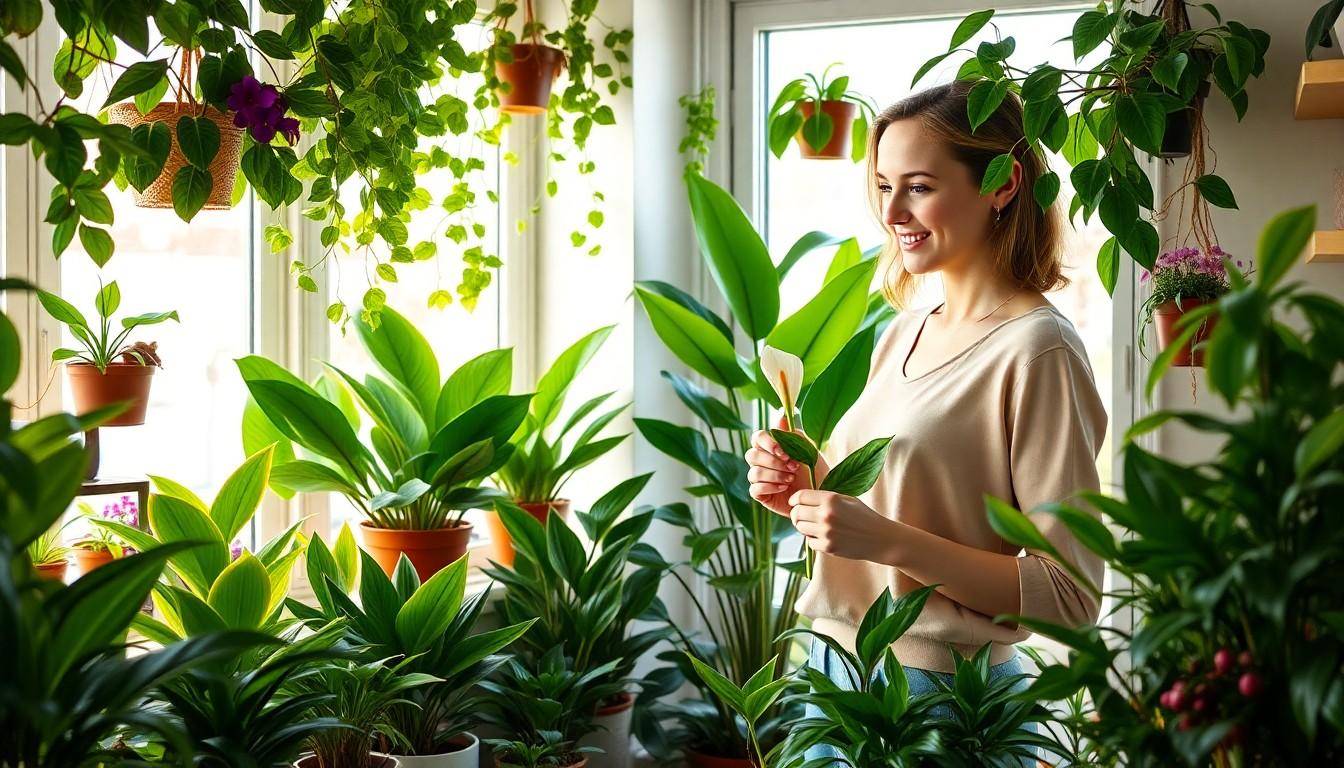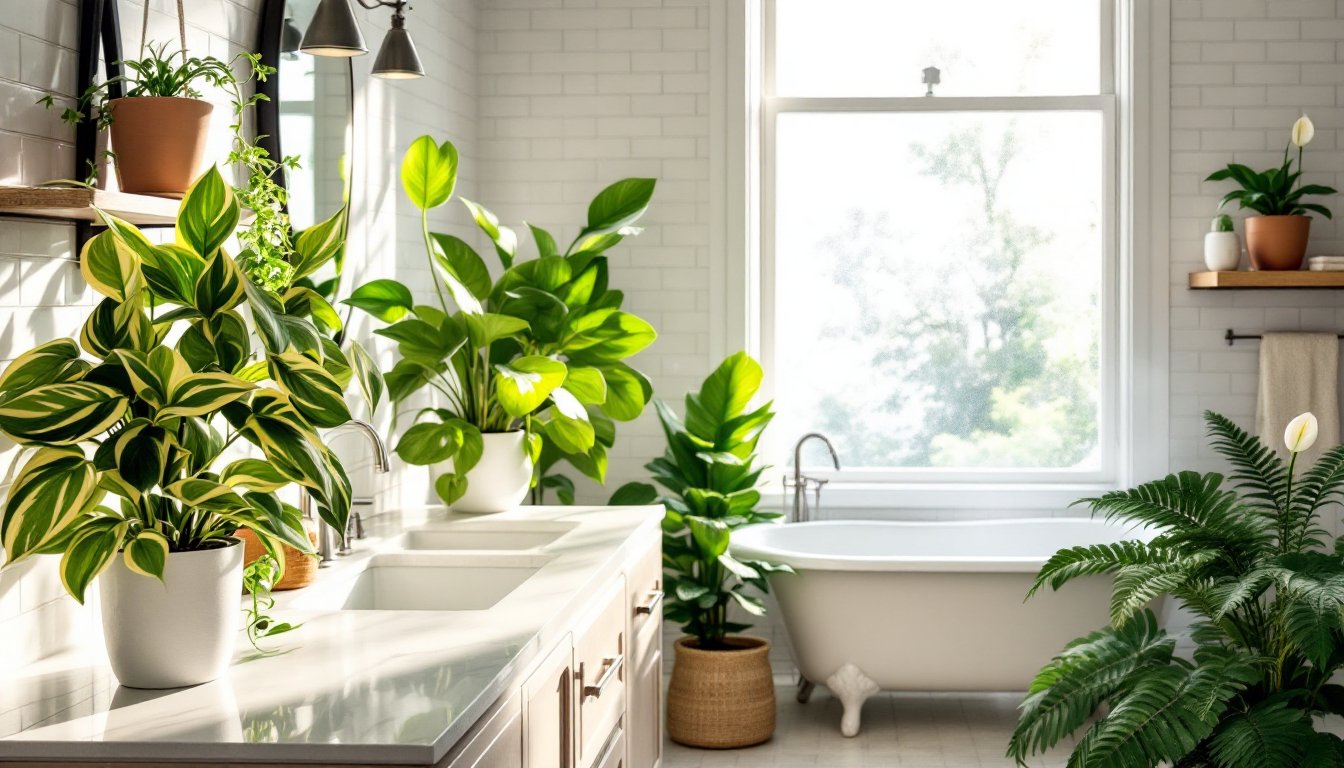
Most bathrooms don’t get enough natural light for sun-worshipping tropicals, but that doesn’t mean they can’t support lush greenery. Low light plants thrive in the ambient moisture and subdued lighting typical of bathrooms, especially powder rooms, master baths with frosted windows, or spaces lit primarily by artificial sources. These plants don’t just tolerate bathroom conditions: many actually prefer them. With the right species and a little placement strategy, homeowners can turn even a windowless half-bath into a green retreat without installing grow lights or overhauling ventilation.
Table of Contents
ToggleKey Takeaways
- Low light plants thrive in bathrooms due to high humidity, consistent temperatures, and the indirect or ambient light already present in these spaces.
- Snake plants, pothos, philodendrons, peace lilies, and ferns are the best low light plants for bathroom environments, each offering unique benefits from water storage to dramatic drooping signals.
- Overwatering is the most common mistake even in humid bathrooms—check soil with your finger before watering, and aim for every 7–10 days rather than on a fixed schedule.
- Proper drainage is non-negotiable: use pots with drainage holes and consider placing moisture-loving plants in a nursery pot inside a decorative cachepot to prevent root rot.
- Strategic placement on toilet tanks, corner shelves, hanging planters, or vanity clusters maximizes visual impact while keeping toxic plants away from pets and children.
- For truly windowless bathrooms, swap a standard bulb for a full-spectrum LED (5000–6500K) or use a timer on overhead lights to provide 10–12 hours of consistent daily light.
Why Bathrooms Are Perfect for Low Light Plants
Bathrooms offer a unique microclimate that mimics the understory conditions many houseplants evolved to tolerate. The combination of high humidity from showers and baths, consistent temperatures (most bathrooms stay between 65–75°F), and indirect or low light creates an environment similar to a rainforest floor.
Most low light plants are adapted to grow beneath a forest canopy, where direct sun never reaches. They’ve developed large, dark-green leaves to maximize chlorophyll and capture whatever ambient light filters through. In a bathroom, they get similar conditions: reflected light from mirrors and tile, occasional bright bursts when a light is switched on, and the steady moisture they crave.
One caveat: ventilation matters. Bathrooms with zero airflow can develop mold or mildew on soil surfaces, and stagnant air sometimes leads to fungal issues on leaves. If the bathroom has an exhaust fan, run it occasionally after showers. If not, crack the door now and then to let fresh air circulate. Plants need gas exchange, carbon dioxide in, oxygen out, and a sealed, steamy room can interfere with that process.
Another advantage: bathroom placement naturally limits overwatering. Because ambient humidity is high, soil dries more slowly. Homeowners who tend to love their plants to death with a watering can often find bathroom specimens require less frequent attention.
Best Low Light Plants for Bathroom Environments
Not all low light plants handle humidity equally well, and not all humidity-lovers tolerate dim corners. The species below tick both boxes and have proven track records in real-world bathroom conditions.
Snake Plants: Nearly Indestructible Bathroom Companions
Snake plants (Sansevieria trifasciata, recently reclassified as Dracaena trifasciata) are the workhorses of low light, low maintenance houseplants. Their thick, upright leaves store water, so they tolerate inconsistent watering. They also handle a wide range of light, from bright indirect to near-dark corners, and thrive in humidity without developing rot.
Snake plants grow slowly, making them ideal for small bathrooms where space is tight. A mature plant in a 6–8 inch pot fits on a toilet tank, vanity corner, or narrow shelf. They prefer well-draining soil: use a cactus or succulent mix rather than standard potting soil to prevent root rot in a humid environment.
One caution: snake plants are mildly toxic to cats and dogs if ingested. Place them out of reach if pets have bathroom access.
Pothos and Philodendrons: Trailing Beauty for Shelves and Counters
Pothos (Epipremnum aureum) and philodendrons (especially Philodendron hederaceum, the heartleaf variety) are vining plants that cascade beautifully from high shelves, medicine cabinets, or hanging planters. Both tolerate low light, though their variegation may fade in very dim conditions. In a typical bathroom with a single window or overhead lighting, they’ll do fine.
These plants root easily in water, so propagation is simple: snip a 4–6 inch cutting below a node, stick it in a jar of water, and wait for roots to develop. This makes them budget-friendly options for filling multiple spots in a larger bathroom.
Pothos and philodendrons both appreciate consistent moisture but don’t like sitting in waterlogged soil. In a humid bathroom, water when the top 1–2 inches of soil feel dry to the touch. Overwatering is still the most common killer, even in a steamy environment.
Both plants are also toxic to pets and children, so placement matters. A high shelf or wall-mounted planter keeps them out of reach while showing off their trailing vines.
Peace Lilies and Ferns: Moisture-Loving Showstoppers
Peace lilies (Spathiphyllum spp.) are classic low light performers with glossy, dark-green foliage and occasional white blooms. They signal when they need water by drooping dramatically, then perk back up within hours of a drink. This makes them beginner-friendly: there’s no guesswork.
Peace lilies thrive in bathroom humidity and tolerate artificial light well, making them suitable for windowless powder rooms. They do best in moderate to bright indirect light but adapt to lower levels, blooms may just be less frequent. Keep soil evenly moist but not soggy. In a bathroom, that usually means watering once a week, depending on pot size and ventilation.
Note: Peace lilies are toxic to pets and humans if ingested. They also prefer temperatures above 60°F, so avoid placing them near drafty windows in winter.
Ferns, especially Boston ferns (Nephrolepis exaltata) and maidenhair ferns (Adiantum spp.), are humidity magnets. They’re native to moist, shaded environments and struggle in dry air, which makes bathrooms their happy place. Ferns prefer consistent moisture and will brown or drop fronds if allowed to dry out completely.
Boston ferns are more forgiving than maidenhair varieties, which are notoriously fussy about watering and airflow. For beginners, start with a Boston fern in a hanging basket or on a high shelf where it can drape. Mist occasionally if the bathroom tends to run dry between showers, though in most cases, ambient humidity is sufficient.
Ferns do best in peat-based potting mix that retains moisture without becoming waterlogged. Add perlite or orchid bark to improve drainage if needed.
How to Care for Your Bathroom Plants
Bathroom plant care differs slightly from standard houseplant routines due to higher humidity and often limited natural light. Here’s what to adjust.
Watering frequency: High humidity slows evaporation, so soil stays moist longer. Check soil with a finger or a moisture meter before watering. For most low light plants, watering every 7–10 days is sufficient, but this varies by pot size, plant type, and ventilation. Overwatering in a humid bathroom is easy to do, err on the side of slightly dry rather than soggy.
Drainage is non-negotiable: Even moisture-loving plants need drainage holes. Sitting water leads to root rot, especially in low light where plants photosynthesize (and hence transpire) more slowly. If using a decorative pot without drainage, use it as a cachepot: place the plant in a plastic nursery pot with holes, then set that inside the decorative container. Remove the inner pot to water, let it drain fully, then return it.
Light assessment: “Low light” doesn’t mean no light. Most low light plants need at least 50–100 foot-candles of ambient light to survive, roughly equivalent to the light level in a room with a north-facing window or consistent overhead lighting. If the bathroom is truly dark (no window, lights only on a few minutes a day), even a snake plant will struggle. In that case, consider a small LED grow bulb in an existing fixture or choose artificial plants.
Cleaning leaves: Bathroom grime, soap scum, hair spray, toothpaste mist, can coat leaves and block light absorption. Wipe foliage monthly with a damp cloth or give plants a gentle rinse in the shower. This also helps prevent pest buildup, though bathrooms tend to have fewer issues with spider mites and aphids due to high humidity.
Fertilizing: Low light plants grow slowly and don’t need aggressive feeding. Use a balanced liquid fertilizer (such as 10-10-10 or 20-20-20) diluted to half strength, applied every 6–8 weeks during spring and summer. Skip fertilizer in fall and winter when growth slows. Bathroom plants often need even less than potted plants elsewhere in the home, as natural conditions already support steady growth.
Pest watch: While humidity deters some pests, it can encourage fungus gnats if soil stays too wet. Let the top inch of soil dry between waterings and avoid leaving standing water in saucers. If gnats appear, top-dress soil with a thin layer of sand or diatomaceous earth to disrupt their life cycle.
Creative Placement Ideas for Small and Large Bathrooms
Placement determines both plant health and visual impact. Here’s how to make the most of limited space.
Small bathrooms (under 50 sq ft):
- Toilet tank top: A single snake plant or small pothos in a 4–6 inch pot fits without crowding. Use a tray underneath to catch drips.
- Corner shelves: Floating corner shelves make use of vertical space. Place trailing plants like pothos or philodendrons on upper shelves: upright plants like peace lilies or snake plants on lower ones.
- Window sills: If the bathroom has a window, use it, even frosted or north-facing windows provide more light than artificial sources alone. Rotate plants monthly so all sides get exposure.
- Hanging planters: Wall-mounted or ceiling hooks let you hang ferns or pothos without taking up counter space. Ensure hooks are anchored into studs or use appropriate drywall anchors rated for the planter’s weight when wet (soil + water can add significant load).
Large bathrooms (over 50 sq ft):
- Floor plants: A large snake plant or peace lily in a 10–12 inch floor pot anchors a corner or fills dead space beside a tub or vanity. Use a waterproof saucer or plant tray to protect flooring.
- Vanity clusters: Group 2–3 small pots of varying heights on a wide vanity for a curated look. Mix textures, pair a trailing pothos with an upright snake plant and a leafy peace lily.
- Shower shelves: If the shower has built-in niches or caddies, use them for moisture-loving plants like ferns or pothos. These plants get direct humidity and indirect light through frosted shower doors. Rinse leaves occasionally to remove soap residue.
- Ladder shelves or plant stands: Freestanding furniture adds vertical interest and holds multiple plants. Choose humidity-resistant finishes like sealed wood, metal, or plastic to prevent warping.
Lighting hacks for windowless bathrooms:
- Replace a standard vanity bulb with a full-spectrum LED bulb (5000–6500K color temperature). It won’t look harsh like a purple grow light but provides enough spectrum for photosynthesis.
- Use a timer for overhead lights so plants get 10–12 hours of consistent light daily, mimicking natural day length.
- Avoid placing plants in shower steam paths if they’re not ferns or humidity-lovers, direct hot steam can damage foliage.
Safety considerations:
- Keep plants away from electrical outlets and light fixtures to avoid water contact.
- If the bathroom is used by small children, avoid toxic plants or place them out of reach. Snake plants, pothos, philodendrons, and peace lilies are all toxic if ingested.
- Check that pots and planters are stable and won’t tip easily, especially on narrow ledges or vanity edges.
Bathroom plants don’t need to be an afterthought. With the right species and a bit of strategic placement, even a cramped half-bath can feel like a spa. The key is matching plant needs to bathroom conditions, and choosing options that thrive in the ambient light and humidity already present. No grow lights, no misting routine, just plants doing what they do best in an environment that finally suits them.