Tiny house living doesn’t mean cramped or claustrophobic. When done right, an open concept floor plan transforms 100–400 square feet into a surprisingly spacious, functional home. By eliminating unnecessary walls and letting zones flow together, these layouts maximize every square inch while creating a sense of openness that defies their footprint. Whether you’re building on a trailer or a foundation, understanding how open concept design principles apply to tiny houses helps you make smart layout choices that balance privacy, utility, and livability.
Table of Contents
ToggleKey Takeaways
- Open concept tiny house floor plans maximize limited square footage by eliminating walls and extending sight lines, making 150–300 square feet feel significantly larger than its actual footprint.
- Successful open concept designs balance openness with organization using vertical storage, multi-functional furniture, and intentional zone definition through flooring, lighting, and ceiling treatments rather than physical barriers.
- Loft-style configurations and single-level layouts represent the two proven approaches to tiny house floor plans, each offering distinct trade-offs between privacy, accessibility, and usable floor space.
- Proper ventilation, correctly scaled furniture (60–72 inches for sofas), and consistent materials are critical structural and functional decisions that prevent claustrophobia and maintain visual continuity in open layouts.
- Thoughtful planning of circulation paths (minimum 36 inches for main walkways), electrical placement, and dedicated workspace ensures an open concept tiny house remains livable rather than chaotic.
Why Open Concept Design Works Perfectly for Tiny Houses
Open concept layouts solve the biggest challenge tiny houses face: making limited square footage feel livable. When walls divide a 200-square-foot space into four separate rooms, each area becomes a claustrophobic box. Remove those walls, and the same footprint transforms into a continuous area where sight lines extend from end to end.
Visual expansion is the primary benefit. Human perception of space relies heavily on how far we can see. In an open layout, your eye travels the full length of the house, making 150 square feet feel closer to 300. This effect is especially powerful when combined with tall ceilings or loft areas that draw the eye upward.
Natural light distribution improves dramatically without interior walls blocking windows. A single window can illuminate the kitchen, dining nook, and living area simultaneously, reducing the need for artificial lighting during daylight hours and making the space feel less enclosed.
Flexibility is another major advantage. Without fixed walls, furniture and storage solutions can be rearranged to suit changing needs. A workspace can become a dining area in minutes. Many tiny house dwellers find that incorporating flexible bedroom solutions allows them to maximize every inch of their home.
HVAC efficiency increases when air circulates freely. Heating or cooling a single open zone requires less energy than managing multiple closed rooms, a practical consideration when you’re working with mini-split systems or radiant floor heating typical in tiny houses.
The tradeoff? Less acoustic privacy and fewer places to hide clutter. But for most tiny house dwellers, the spatial benefits far outweigh these limitations.
Essential Elements of an Open Concept Tiny House Floor Plan
A successful open concept tiny house balances openness with organization. Every element serves multiple purposes, and thoughtful placement determines whether the layout feels intentional or chaotic.
The living core typically combines three functions: sitting, eating, and cooking. In a 200-square-foot plan, this might mean a 6-foot sofa facing a fold-down dining table, with a galley kitchen running along one wall. Keep the cooking zone near plumbing stacks and exterior walls for venting, moving these utilities later is expensive and sometimes impossible in tiny builds.
Vertical storage becomes structural. Floor-to-ceiling cabinets, wall-mounted shelves, and overhead compartments define zones without blocking sightlines. Use the same cabinetry finish throughout to maintain visual continuity: switching materials can chop up the space visually.
Multi-functional furniture isn’t optional, it’s foundational. A sofa with storage underneath. A table that folds against the wall. Stairs with built-in drawers. These aren’t Pinterest hacks: they’re load-bearing elements of the floor plan itself.
Circulation paths need minimum clearances even in open plans. Allow 36 inches for main walkways and at least 30 inches in secondary paths. Tight quarters are fine: impassable bottlenecks aren’t. When planning furniture placement, physically measure and tape out floor dimensions before building or buying anything.
Defining Zones Without Walls
Creating distinct areas without physical barriers requires intentional design choices. Here’s what actually works:
Flooring transitions provide subtle separation. LVP (luxury vinyl plank) in the kitchen, with a transition strip to area rugs in the living space, signals a zone change without breaking up the floor plan visually. Avoid drastic color shifts, stick to complementary tones.
Ceiling treatments define overhead territory. Dropped soffits over the kitchen, exposed beams over the dining nook, or a different paint color on the ceiling plane can delineate zones while maintaining openness at eye level.
Lighting layers create invisible boundaries. Pendant lights over the dining table, recessed cans in the kitchen, and a floor lamp by the sofa establish three distinct zones using only light fixtures. Dimmer switches let you emphasize different areas depending on time of day.
Furniture orientation is the simplest tool. Position the sofa perpendicular to the kitchen rather than facing it. This creates a psychological barrier without adding physical mass. Platform height changes work similarly, raising the sleeping loft or office nook just 8–12 inches separates it functionally while keeping it visually connected.
Partial dividers offer compromise when full openness feels too exposed. A half-wall at 42 inches (counter height) between kitchen and living room provides splash protection and conceals sink clutter while preserving the open feel. Open shelving units, room dividers with slats, or even strategically placed plants serve similar functions.
Avoid heavy curtains or sliding barn doors across main zones, they’re trendy but tend to stay closed, defeating the open concept entirely. If privacy is needed, save solid dividers for the bathroom only.
Popular Open Concept Tiny House Layout Styles
Tiny house floor plans cluster around a few proven configurations. Each has specific advantages depending on how the space will be used and whether the house is mobile or stationary.
Single-Level Open Floor Plans
Single-level layouts keep everything on one plane, eliminating stairs and maximizing accessibility. These work best for tiny houses above 250 square feet or for owners who want ADA-friendly designs.
The classic straight-line layout arranges kitchen, living, and sleeping along one wall, with the bathroom as the only enclosed room. Picture a railroad apartment shrunk down: entry at one end, bedroom at the other, with kitchen and seating in between. This layout maximizes floor space but offers zero privacy for the sleeping area.
The L-shaped configuration tucks the sleeping zone into a corner alcove, using a partial wall or tall storage unit to create separation without a full partition. The bathroom occupies the opposite corner. This layout works well on trailer builds where the bedroom overhang can extend past the trailer width (check local towing regulations, most states allow 8.5 feet max without permits).
Galley-style plans place the kitchen along one long wall and living/sleeping functions along the opposite wall, with a central circulation corridor of 36–42 inches. This layout suits narrower builds and provides excellent kitchen workflow, though it reduces usable floor space in the center.
Single-level plans often incorporate Murphy beds or convertible furniture to reclaim floor space during the day. A wall-mounted bed that folds up reveals a home office or yoga space underneath, genuine multi-functionality, not a gimmick. Brands like Lori Beds or Murphy Bed Depot offer units sized for tiny houses, typically requiring 90 inches of wall height for a queen setup.
Loft-Style Open Concept Designs
Loft configurations are the most common tiny house layout, using vertical space to separate sleeping from living without walls. These work well for houses under 300 square feet where floor space is at a premium.
The single loft positions one sleeping area above the bathroom or kitchen, accessed by a ladder or staircase. The ground floor remains fully open for living, dining, and cooking. Loft ceilings need minimum 36 inches of headroom to avoid claustrophobia (42–48 inches is more comfortable). If building on a trailer, this means exterior height reaches 13–13.5 feet, still roadable without special permits in most states.
Dual loft designs create two sleeping areas on opposite ends of the house, connected by an open living zone below. This layout suits couples who want separation, families with one child, or owners who need a dedicated guest space. Each loft typically measures 6 × 8 feet (just enough for a full or queen mattress). Structurally, lofts require 2×6 or 2×8 joists at 16 inches on center, rated to support 40 PSF (pounds per square foot) live load minimum, check your local building code before framing.
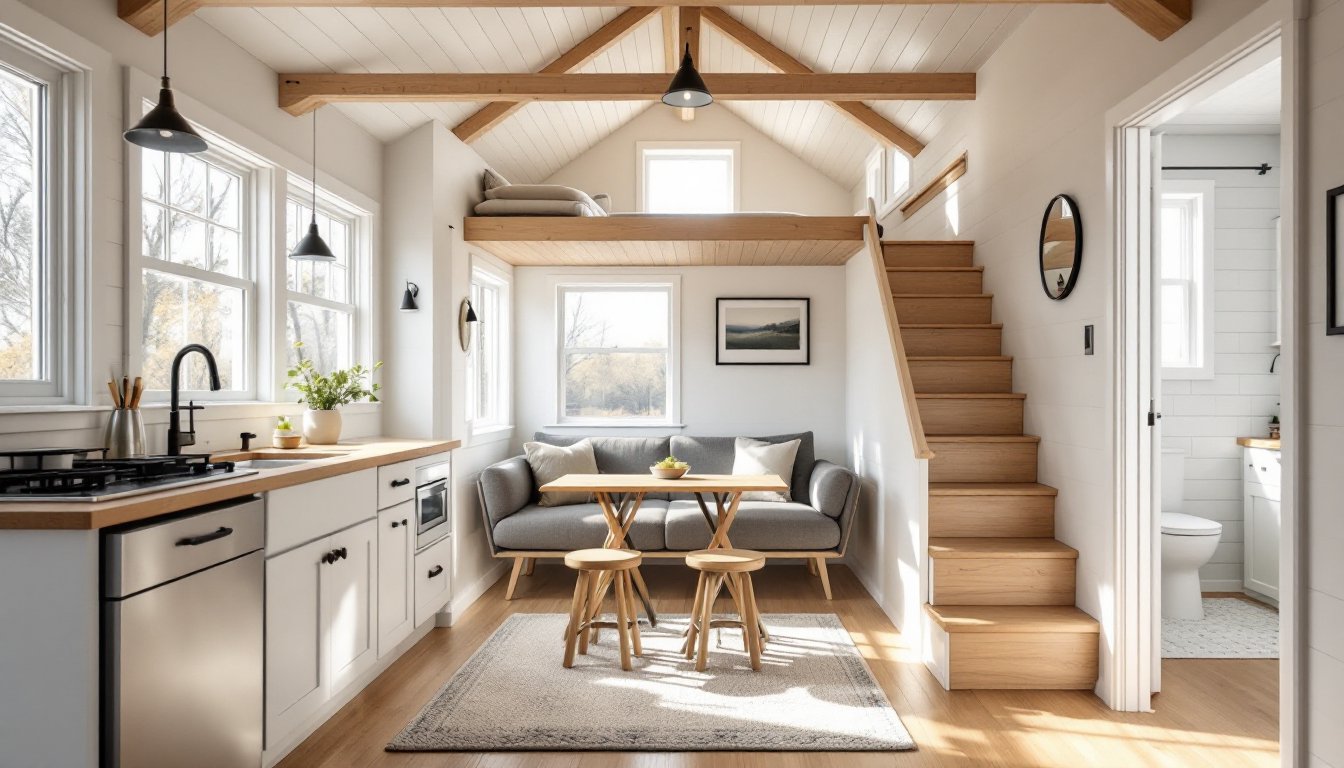
Staircase lofts replace ladders with storage stairs, each tread is a drawer or cabinet. This design improves accessibility and provides significant storage (10–15 cubic feet), but it consumes 25–35 square feet of floor space. That’s a substantial sacrifice in a 200-square-foot house. Stairs also cost more to build: expect $600–1,200 in materials versus $100–300 for a fixed ladder.
Platform resources like Houzz feature hundreds of tiny house tours that showcase loft configurations with detailed photos of stair and storage integration.
Loft layouts have one major drawback: temperature stratification. Heat rises, so lofts can be 10–15°F warmer than ground level. Install a small ceiling fan (DC-powered models pull 10–30 watts) to circulate air, and consider a mini-split with a head unit positioned to reach both zones.
Design Tips for Maximizing Your Open Concept Tiny House
Getting an open concept tiny house right requires specific planning choices. These aren’t decorating tips, they’re structural and functional decisions that affect how the space performs daily.
Scale furniture appropriately. Standard sofas run 84–96 inches long and overpower tiny rooms. Look for apartment-sized or RV furniture: 60–72-inch sofas, 24-inch-deep chairs, and nesting tables. Measure everything twice and compare dimensions to your floor plan before ordering. A piece that looks perfect online can dominate an entire wall in person.
Use consistent materials. Open plans rely on visual continuity. Stick to one primary flooring material, one cabinet finish, and a cohesive color palette (3–4 colors max). Every material change creates a visual break that shrinks perceived space. This doesn’t mean boring, it means intentional. A white shiplap ceiling, light oak LVP flooring, and matte black fixtures create variety within a unified scheme.
Maximize window placement. Building codes (IRC Section R310) require egress windows in sleeping areas, but beyond that, pack in as much glass as structurally and thermally feasible. Windows on opposite walls create cross-ventilation. Clerestory windows high on walls bring light deep into the plan without sacrificing privacy or wall-mounted storage below.
Plan electrical before framing. Open concept doesn’t mean outlets everywhere is visible. Surface-mounted conduit looks unfinished. Run Romex through studs during framing, placing outlets every 6 feet along walls (more than code requires, but practical for furniture flexibility). Include USB outlets near seating, tiny houses don’t have space for bulky charging blocks.
Include dedicated workspace. Remote work is common among tiny house dwellers, and a laptop on the sofa gets old fast. A wall-mounted fold-down desk (24 × 18 inches minimum) or a counter-height ledge with a stool provides a real workspace without claiming permanent floor space. Position it near a window and an outlet cluster.
Don’t skip the bathroom door. Some ultra-minimalist designs use curtains or open bathrooms. This works until you have guests or a partner. Install a proper privacy door, pocket doors save swing clearance and work well in tight spaces, though they cost $200–400 more than standard pre-hung doors and require precise framing.
Consider built-ins over freestanding furniture. Custom cabinetry and bench seating with storage underneath make better use of space than standalone furniture, which leaves dead zones in corners and gaps along walls. Built-ins can follow wall angles exactly, picking up every usable inch. Yes, they’re more expensive upfront ($150–300 per linear foot for basic built-ins), but they add functional square footage that furniture can’t match.
Ventilation matters more in open plans. Cooking smells, shower humidity, and everyday odors spread fast without walls to contain them. Install a range hood vented to exterior (not recirculating), minimum 100 CFM for electric cooktops, 150+ CFM for propane. Add a bathroom exhaust fan rated for the full house volume, and crack a window when cooking. Mold and odors will destroy the tiny house experience faster than any design flaw.
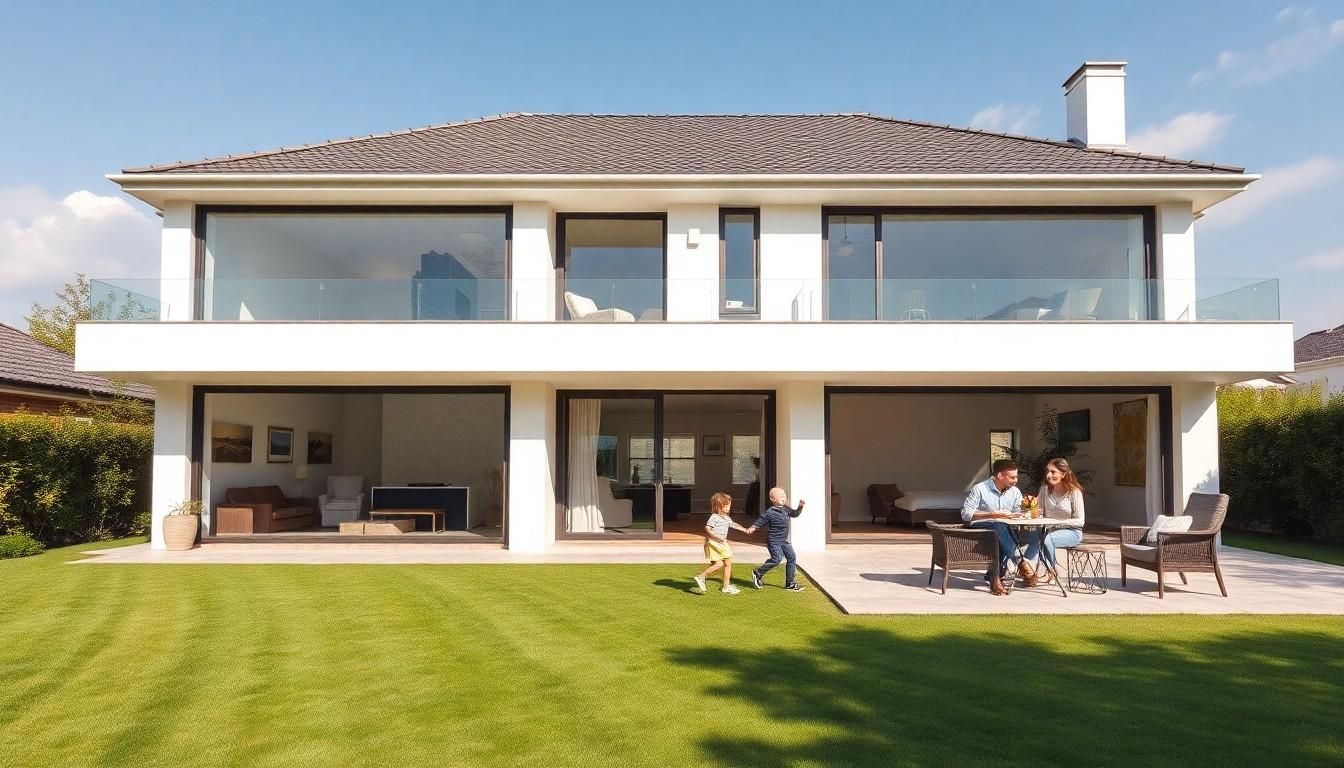
Many tiny house builders reference larger open concept home designs to understand how spatial flow and zone definition scale down to smaller footprints.