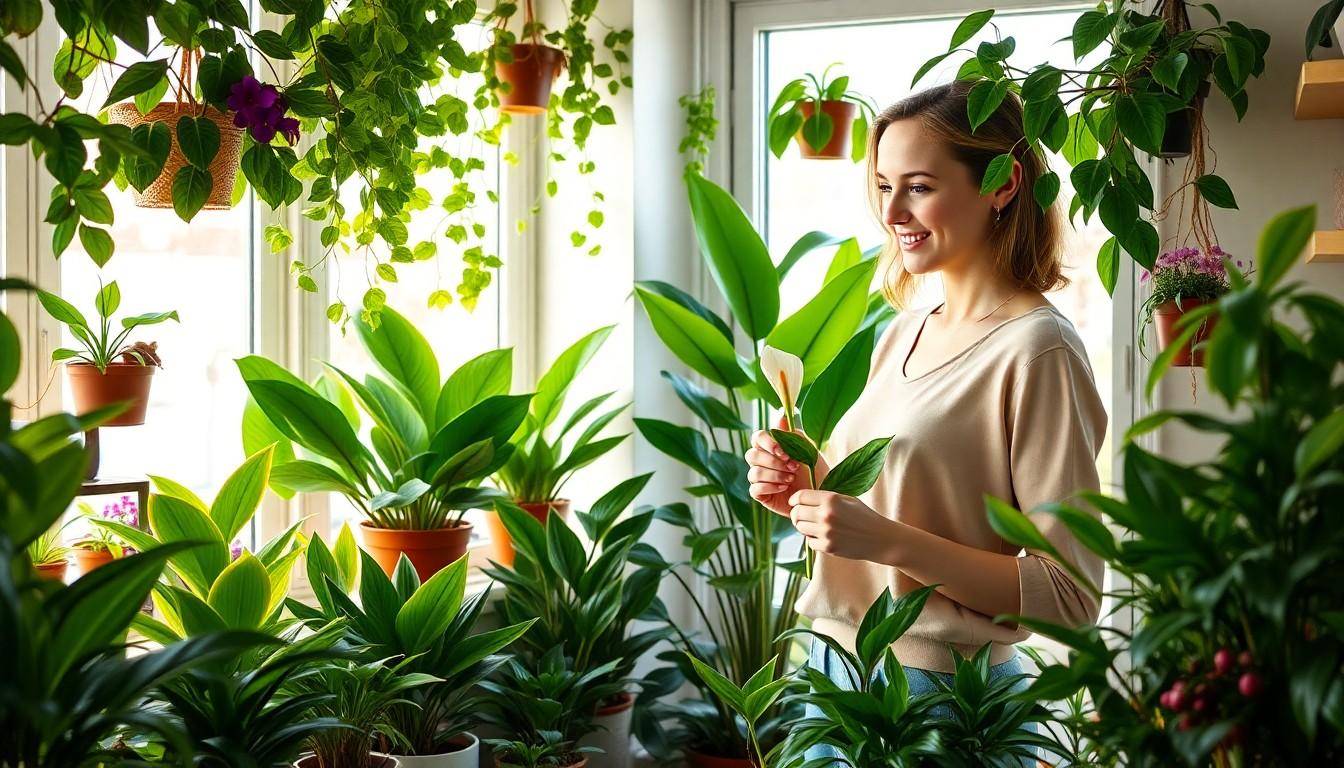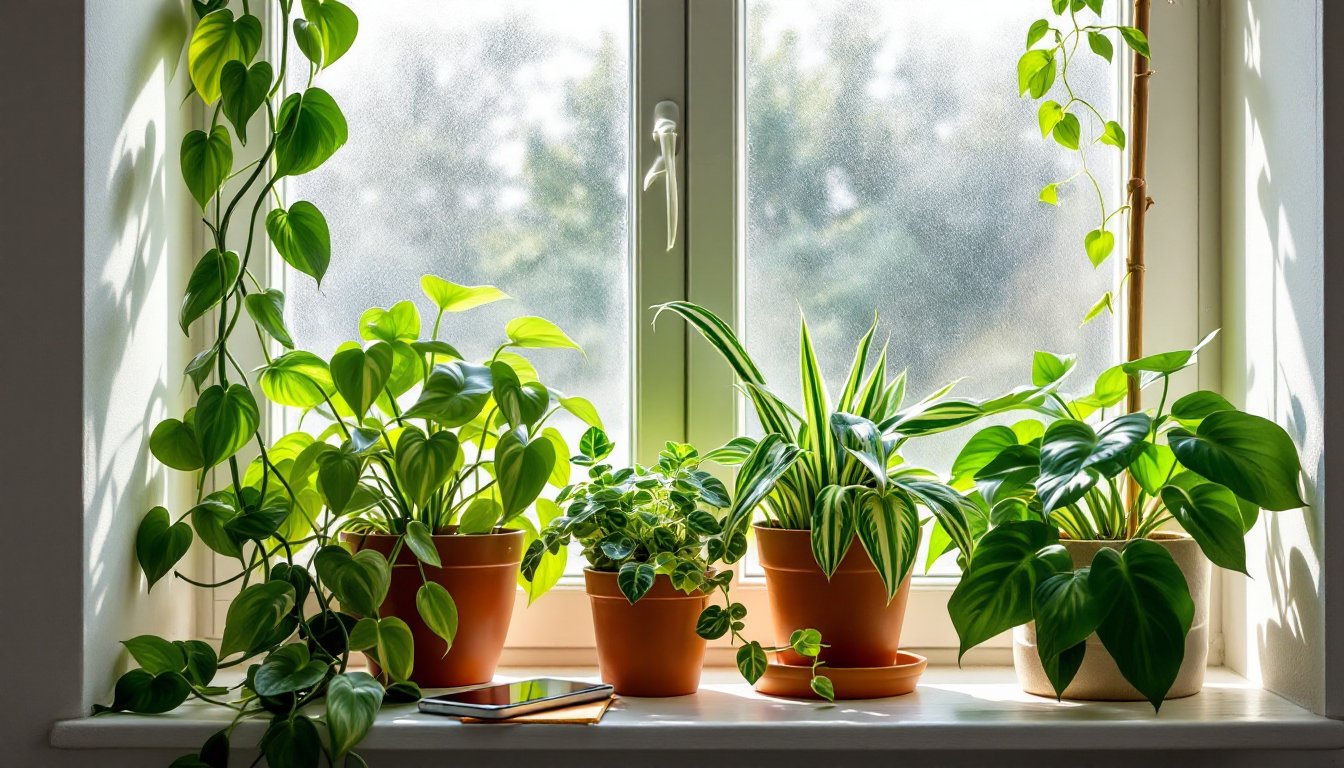
Ever rescued a sad-looking plant from the clearance rack, brought it home, and then realized you have no idea what it is, or how to keep it alive? You’re not alone. Knowing what plant you’re dealing with isn’t just about putting a name to a pretty face: it’s the first step to giving it the right light, water, and care it needs to thrive. Whether you inherited a mystery plant from a friend, grabbed an unlabeled specimen at a garage sale, or just want to finally figure out what that thing in the corner actually is, this guide walks through the practical steps to identify any house plant sitting on your shelf.
Table of Contents
ToggleKey Takeaways
- Identifying house plants is essential because different species have vastly different care requirements for light, water, and humidity, preventing common mistakes like over- or under-watering.
- Examine leaf shape, size, arrangement, texture, and growth patterns to identify house plants—heart-shaped leaves suggest pothos or philodendron, while sword-like foliage points to snake plants.
- Plant identification apps like PictureThis and PlantNet offer the fastest results, though reverse image search and online plant communities provide free alternatives for identifying your house plants.
- Toxicity concerns make identifying house plants with pets critical, as common varieties like pothos, philodendron, and dieffenbachia are poisonous to cats and dogs.
- Once identified, research your plant’s specific care requirements and adjust placement, watering schedule, humidity, and pot size to ensure long-term health and prevent yellowing leaves or pest problems.
Why Identifying Your House Plants Matters
Getting the name right isn’t just trivia for plant nerds. Different species have wildly different care requirements, and guessing wrong can mean the difference between a thriving monstera and a crispy brown disappointment.
Light needs vary dramatically. A snake plant can handle a dim corner, but a fiddle-leaf fig will sulk and drop leaves without bright, indirect light. Watering schedules shift just as much, succulents want bone-dry soil between drinks, while ferns prefer consistent moisture. Misidentifying a plant leads to over- or under-watering, which is the number one killer of house plants.
Knowing what you have also flags potential safety issues. Some common house plants, pothos, philodendron, dieffenbachia, are toxic to cats and dogs. If you’ve got curious pets or kids, identifying plants lets you make informed choices about placement or whether to keep them at all.
Finally, proper ID helps with troubleshooting. When leaves yellow, brown, or curl, the fix depends on the species. A calathea might need higher humidity, while a jade plant could be getting too much water. Without a name, you’re shooting in the dark.
Key Features to Look for When Identifying House Plants
Plant identification boils down to observation. You don’t need a botany degree, just a close look at a few key characteristics.
Leaf Shape, Size, and Arrangement
Leaf shape is the fastest clue. Are they broad and heart-shaped (pothos, philodendron), long and strappy (snake plant, spider plant), or deeply lobed (monstera, split-leaf philodendron)? Notice the edges, too: smooth, serrated, or wavy.
Size matters. A small, delicate leaf suggests something like a fittonia or peperomia, while dinner-plate-sized foliage points to a big leaf variety such as elephant ear or bird of paradise.
Arrangement describes how leaves attach to the stem. Opposite leaves grow in pairs directly across from each other (like some ficus varieties). Alternate leaves stagger up the stem one at a time. Whorled leaves radiate from a single point, and rosette plants (like succulents and bromeliads) cluster leaves in a circular, ground-hugging pattern.
Check texture and color, too. Fuzzy, velvety leaves? Could be African violet or purple passion plant. Thick, waxy, or rubbery? Think rubber plant, jade, or hoya. Variegation, stripes, splashes, or edges in cream, white, or yellow, narrows things down fast.
Growth Patterns and Plant Structure
Growth habit tells you a lot. Does the plant vine or trail (pothos, string of pearls), grow upright in a clump (snake plant, ZZ plant), or spread wide and bushy (croton, Chinese evergreen)? Does it climb with aerial roots or need a moss pole?
Stem characteristics help, too. Are stems thick and woody, thin and green, or segmented like bamboo? Succulent varieties often have fleshy, water-storing stems, while cacti have spines and no true leaves.
Look at the root zone if you can (when repotting, for example). Tuberous roots, rhizomes, or a mass of wiry roots each point to different plant families. Air roots growing from the stem? Likely a monstera, pothos, or philodendron.
Top Tools and Methods for Plant Identification
You’ve got options, from old-school field guides to AI-powered apps. Here’s what works.
Plant ID apps are the fastest route. Apps like PictureThis, PlantNet, and Seek by iNaturalist let you snap a photo and get an ID in seconds. Accuracy varies, good lighting and a clear shot of the leaf (top and underside) improve results. Cross-check with a second app or online research if the answer seems off.
Reverse image search is a free DIY option. Take a close-up photo of a distinctive leaf or the whole plant, then upload it to Google Images or a similar tool. Browse the results and compare images. It’s hit-or-miss, but works well for common species.
Online plant communities are gold if you’re stuck. Facebook groups (like House Plant Hobbyist), Reddit’s r/whatsthisplant, and gardening forums let you post photos and get answers from experienced growers. Include shots of the whole plant, a close-up of leaves (both sides), and any flowers or unique features. People are surprisingly helpful.
Field guides and reference books still have a place, especially if you prefer flipping pages to scrolling. Look for guides focused on house plants rather than outdoor species. Books often include care summaries alongside photos, which is handy once you’ve nailed the ID.
For serious plant detectives, a hand lens or jeweler’s loupe (10x magnification) reveals tiny details like leaf veins, hairs, or stipules that separate similar species. Overkill for most home growers, but useful if you’re comparing unusual specimens.
Common House Plants and How to Recognize Them
Some plants show up everywhere, garden centers, big-box stores, even grocery stores. Here are quick visual cues for the usual suspects.
Pothos (Epipremnum aureum): Heart-shaped leaves, often variegated in yellow or white. Trails or climbs. Tolerates low light. Sometimes confused with philodendron, but pothos leaves are thicker and more waxy.
Snake Plant (Sansevieria / Dracaena trifasciata): Tall, upright, sword-like leaves with horizontal banding in green, yellow, or gray. Nearly indestructible. Grows slowly in a tight clump.
Spider Plant (Chlorophytum comosum): Long, arching leaves striped in green and white. Produces baby plantlets (spiderettes) on long stems. Super forgiving and hard to kill.
Monstera deliciosa: Large, glossy, deeply split and perforated leaves. Climbs with aerial roots. Needs bright indirect light and a support pole as it matures.
ZZ Plant (Zamioculcas zamiifolia): Thick, glossy, oval leaflets arranged along upright stems. Almost succulent-like in appearance. Thrives on neglect and low light.
Rubber Plant (Ficus elastica): Large, oval, dark green (or burgundy) leaves with a leathery texture. Grows upright as a small tree. Needs bright light.
Philodendron (heartleaf, Brasil, micans, etc.): Heart-shaped leaves, often smaller and thinner than pothos. Vining or upright, depending on variety. Many have colored undersides or velvet textures. Recognizing common varieties becomes second nature once you know the leaf shape.
Succulents and Cacti: Thick, fleshy leaves or stems designed to store water. Cactus species have spines and no leaves: other succulents (echeveria, jade, aloe) have plump, smooth foliage. Resources like Gardenista’s succulent guide provide detailed photos for narrowing down the dozens of look-alikes.
Fiddle-Leaf Fig (Ficus lyrata): Huge, violin-shaped leaves with prominent veins. Upright growth. Notoriously fussy about light and watering.
If you’re browsing photos of dozens of species at once, galleries featuring the 50 most common options make side-by-side comparisons much easier.
What to Do Once You’ve Identified Your Plant
You’ve got a name, now what? Use that information to dial in care and set your plant up for long-term success.
Research care requirements. Look up the species on trusted sites (university extension pages, The Spruce, or Country Living’s gardening section) to confirm light, water, humidity, and temperature needs. Write it down or snap a screenshot: you’ll forget otherwise.
Adjust placement. Move the plant to a spot that matches its light requirements. South- or west-facing windows offer bright light: north-facing windows are dim. If you don’t have ideal natural light, a grow light fills the gap. An inexpensive LED grow bulb in a desk lamp works fine for low-light species.
Refine your watering schedule. Don’t guess. Stick your finger two inches into the soil. If it’s dry at that depth, water thoroughly until it drains out the bottom. If it’s still moist, wait. Easy-care varieties like pothos and snake plants prefer drying out between waterings: ferns and calatheas like consistent moisture.
Check humidity and temperature. Tropical species (monstera, calathea, ferns) appreciate 50–60% humidity. A simple hygrometer ($10–15) tells you what you’re working with. If it’s too dry, group plants together, use a pebble tray, or run a small humidifier.
Repot if needed. If roots are circling the pot or poking out drainage holes, it’s time. Use a pot one size up (2 inches wider in diameter) and fresh potting mix suited to the plant type, standard houseplant mix for most, cactus/succulent mix for those, orchid bark for orchids.
Watch for pests and problems. Now that you know what healthy growth looks like for your species, you’ll spot issues faster. Yellow leaves, brown tips, or webbing can all mean different things depending on the plant.
Label your plants. Sounds nerdy, but it helps. Use a plant tag, masking tape on the pot, or a notes app. Future you (or a plant sitter) will thank you.