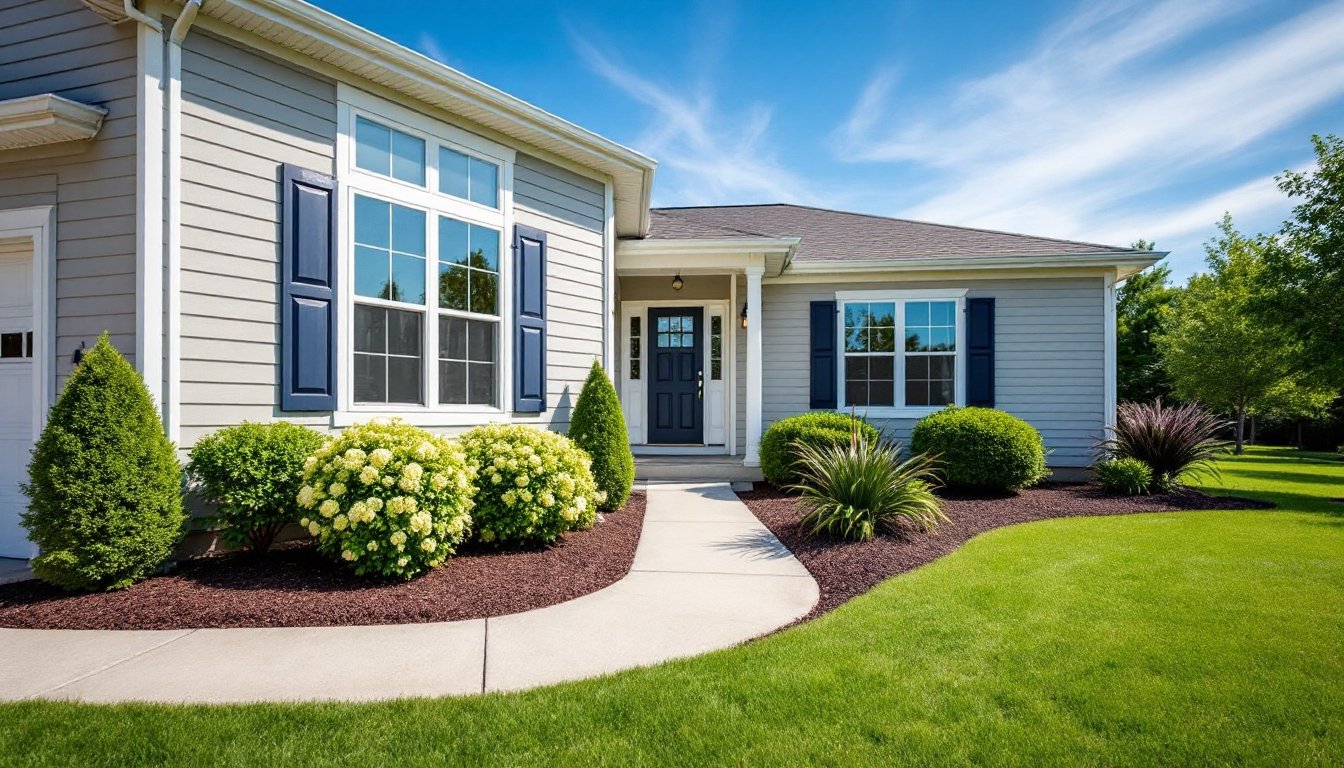
Foundation plants are the landscaping equivalent of a good pair of boots, they ground everything else. If you’ve ever driven past a house and thought, “something’s off,” chances are the foundation planting was either missing, overgrown, or poorly planned. These are the shrubs, small trees, and perennials that sit along your home’s base, connecting the structure to the yard and softening harsh architectural lines. Done right, they boost curb appeal and property value. Done wrong, they swallow windows and turn into maintenance nightmares. This guide walks through what works, what doesn’t, and how to plan a front foundation bed that looks sharp now and stays manageable for years.
Table of Contents
ToggleKey Takeaways
- Foundation plants serve three critical roles: hiding the foundation, transitioning your home visually into the landscape, and framing architectural features while boosting curb appeal and property value.
- Strategic foundation plant placement can reduce heating and cooling costs by 15–25% through summer shade (deciduous plants on south/west walls) and winter windbreaks (evergreens on north-facing sides).
- Space foundation plants at two-thirds their mature width to prevent overcrowding, and plan for growth over 5 years rather than the nursery pot size—leaving the bed sparse initially is normal and expected.
- Match plants to your home’s style and site conditions: traditional homes work with symmetrical boxwoods and hydrangeas, while contemporary homes benefit from architectural grasses, dwarf conifers, and succulents.
- Avoid the most costly mistakes when planting foundation plantings: leaving 2–3 feet clearance from the house, thoroughly amending compacted soil, and observing light conditions before selecting shade or sun-loving species.
- Low-maintenance foundation plants like dwarf yaupon holly, spirea, liriope, and Knockout roses thrive in zones 5–9 with minimal pruning, deadheading, or pest management.
What Are Foundation Plants and Why Do They Matter?
Foundation plants serve three jobs: they hide the concrete or block foundation, they transition your home visually into the landscape, and they frame entryways and key architectural features. Historically, these beds were packed with evergreen shrubs like junipers and yews to cover exposed foundations year-round. Today’s approach balances year-round structure with seasonal interest, think flowering shrubs, ornamental grasses, and layered textures.
From a practical standpoint, foundation beds also manage water runoff and provide a buffer zone for your home’s exterior. Plants with deep root systems help stabilize soil, while dense foliage can reduce splash-back that deteriorates siding or paint. But they’re not foolproof. Planting too close to the house invites moisture problems, pest pathways, and root damage to your foundation or utilities.
Foundation plantings also directly impact energy efficiency. Deciduous shrubs on south- and west-facing walls provide summer shade and winter sun exposure, while evergreens on the north side act as windbreaks. According to landscape design principles, strategic plantings can reduce heating and cooling costs by 15–25%. That’s a real return on your shovel work.
Best Foundation Plants for Different Home Styles
Traditional and Colonial Homes
Traditional homes, think center-entry colonials, brick ranches, Cape Cods, call for symmetry and formality. Boxwoods are the go-to here. Varieties like ‘Green Velvet’ or ‘Winter Gem’ stay compact (3–4 feet mature height) and handle shearing well for a tailored look. Flank your front door with matched pairs, and use them as anchor plants at corners.
Hydrangeas work beautifully as mid-layer plants. ‘Annabelle’ (smooth hydrangea) tolerates part shade and produces huge white blooms in summer. For pink or blue flowers, go with bigleaf hydrangeas like ‘Endless Summer,’ but note they prefer consistent moisture and protection from harsh afternoon sun.
Inkberry holly (Ilex glabra) is an underrated native evergreen. It looks similar to boxwood but handles wet soil and deeper shade better. ‘Compacta’ stays under 4 feet without pruning. Use it under windows or along walkways. Pair these with seasonal color from caladiums or impatiens in summer, or pansies in spring and fall for a polished, layered look that complements formal architecture.
Modern and Contemporary Homes
Contemporary homes, clean lines, mixed materials, asymmetry, call for bold textures and architectural plants. Skip the clipped boxwoods and reach for grasses and perennials with structure.
Karl Foerster feather reed grass (Calamagrostis x acutiflora) is a workhorse. It grows in tight, upright clumps to about 4–5 feet and stays vertical even in wind and rain. Plant it in drifts of three or five for rhythm, not symmetry. It’s popular in contemporary landscaping for good reason, it delivers year-round interest and needs zero pruning until early spring.
Dwarf conifers like ‘Blue Star’ juniper or ‘Chirimen’ Japanese cedar provide evergreen structure without the dated foundation-shrub vibe. They grow slowly, stay low, and their blue or bronze foliage contrasts well with metal siding, stucco, or fiber cement.
Sedums and succulents work in dry, sunny exposures. ‘Autumn Joy’ sedum blooms late summer into fall with flat, rust-colored flower heads that look intentional even when dried. If you’re in a warm climate (zones 8+), consider agave or yucca for sculptural drama. Pair these with river rock or decomposed granite mulch for a cohesive, low-water aesthetic.
Planning Your Foundation Planting Layout
Start by measuring your foundation bed. Most beds run 4–6 feet deep from the house, but if you have space and want more visual weight, go 8 feet. Mark utility lines, hose bibs, electrical outlets, and HVAC vents, you don’t want to plant over access points or risk root damage to underground lines.
Use the “thriller, filler, spiller” approach adapted for foundation beds. Your thriller is a taller anchor plant at corners or flanking the entry, think a small ornamental tree like serviceberry or a large shrub like rhododendron. Fillers are mid-size shrubs (3–5 feet) that occupy the middle ground, hydrangeas, spirea, or inkberry holly. Spillers are groundcovers or low perennials at the bed edge, creeping phlox, liriope, or low junipers.
Space plants based on mature width, not nursery size. A shrub sold in a 3-gallon pot at 18 inches wide might hit 5 feet in three years. Plan for that. As a rule of thumb, space shrubs at two-thirds their mature width. So a plant that tops out at 6 feet wide should be planted 4 feet on center. Yes, it looks sparse at first. Mulch heavily and fill gaps with annuals or perennials while the permanent plants grow in.
Layering is critical. Place taller plants toward the back (but not directly against siding, leave 2–3 feet for airflow and maintenance), mid-height in the middle, and low or groundcover plants at the bed edge. This creates depth and prevents the “shrubs in a row” look. When choosing plants for beds that face the street, remember that integrating plants thoughtfully makes all the difference in curb appeal.
Mark out your layout with spray paint or a garden hose before you dig. Walk across the street and look at it from the curb. Check sightlines from inside the house, too, you don’t want to block windows or views.
Top Low-Maintenance Foundation Plant Picks
Low-maintenance doesn’t mean no maintenance, it means the plant tolerates neglect, doesn’t need deadheading or constant pruning, and isn’t plagued by pests. Here are the MVPs:
Dwarf yaupon holly (Ilex vomitoria ‘Nana’): Evergreen, dense, thrives in heat and drought once established. Stays under 3 feet without pruning. Tolerates full sun to part shade and adapts to most soils. Native to the Southeast, so it handles humidity and clay.
Spirea (Spiraea spp.): Deciduous, but tough as nails. ‘Little Princess’ and ‘Goldmound’ stay compact (2–3 feet) and bloom heavily in spring or summer depending on variety. Prune once a year after flowering if needed, otherwise leave it alone.
Liriope (lilyturf): Evergreen grass-like perennial. ‘Big Blue’ grows 12–18 inches tall with purple flower spikes in late summer. Handles deep shade, drought, or wet soil. Divide every few years if it spreads too much, but otherwise bulletproof.
Knockout roses: If you want color without the typical rose fussiness, Knockouts deliver. They’re disease-resistant, self-cleaning (no deadheading), and bloom spring through fall. Plant them in full sun with good air circulation. They’ll hit 3–4 feet tall and wide.
Coneflowers (Echinacea): Native perennial, deer-resistant, drought-tolerant once established. Purple, white, or coral blooms attract pollinators. Cut back in late winter. That’s it.
All of these handle USDA zones 5–9 with some variation by cultivar. Check your zone and pick accordingly. For more ideas on low-fuss greenery indoors, houseplant enthusiasts can draw inspiration from drought-tolerant species that translate well outdoors in warm climates.
Common Mistakes to Avoid When Planting
Planting too close to the house. Leave at least 2–3 feet of clearance between mature plants and your siding or foundation. This allows airflow, prevents moisture buildup, and gives you room to maintain the exterior without a machete.
Ignoring mature size. That cute little shrub in a 1-gallon pot can turn into a 10-foot monster. Read the tag. Google the cultivar. Plan for the plant’s size in five years, not five months. Pruning an overgrown plant into submission is a losing battle.
Skipping soil prep. Foundation soil is often builder-grade junk, compacted clay, construction debris, or sand. Amend with 2–3 inches of compost worked into the top 8–12 inches. If drainage is poor, consider raising the bed 6–12 inches with quality topsoil or building a low retaining wall.
Planting in the wrong light. A sun-loving rose will languish on a north-facing wall. Shade-loving hostas will fry on a south exposure. Match the plant to the site, not the other way around. If you’re unsure, observe your beds for a full day and note sun exposure hour by hour.
Overwatering or underwatering new plants. Newly installed plants need consistent moisture for the first growing season, about 1 inch per week, including rain. Water deeply 2–3 times per week rather than daily shallow spritzes. After the first year, most foundation plants are established and need far less water. For those interested in expanding their plant care skills, gardening resources offer deeper dives into soil and watering strategies.
Ignoring plant spacing. Overcrowding invites disease, poor airflow, and eventual plant death as roots and canopies compete. Space generously. Use annuals or mulch to fill gaps during the establishment phase. Mulch itself is another frequent mistake, apply 2–3 inches of shredded hardwood or pine bark, but keep it 2–3 inches away from stems and trunks to prevent rot and pest issues.