Mealybugs are one of the most stubborn pests a houseplant owner will ever face. These soft-bodied insects hide in leaf axils, along stems, and under foliage, draining plant sap and leaving behind sticky honeydew that attracts mold. Left unchecked, they multiply rapidly and can spread through an entire indoor collection in weeks. Unlike more visible pests, mealybugs are masters of camouflage, their white, waxy coating makes them look like bits of cotton or dust. But catching them early and treating aggressively can save even heavily infested plants without resorting to harsh chemical pesticides.
Table of Contents
ToggleKey Takeaways
- Mealybugs on indoor plants can be eliminated using 70% isopropyl rubbing alcohol applied directly to visible bugs or mixed 1:3 with water for spray applications, repeated every 4-5 days for three weeks.
- An insecticidal soap solution made with pure castile soap and water works effectively to disrupt mealybug cell membranes; reapply every 5-7 days for a month and rinse thoroughly to prevent stomata damage.
- Prevent future mealybug infestations by quarantining new plants for two weeks, improving air circulation with fans, adjusting watering practices to avoid overwatering, and monitoring plants weekly.
- Environmental factors like warm temperatures (70-85°F), low air circulation, overwatering, and excess nitrogen fertilizer create ideal conditions for mealybug infestations to spread rapidly.
- Early detection is critical—check plants weekly for cottony white fuzz, sticky honeydew, and yellowing leaves, as young crawlers are nearly translucent and harder to spot before establishing large colonies.
- Sterilize pruning tools and pots with rubbing alcohol or diluted bleach after treating mealybugs to prevent reinfestations from spreading through your indoor plant collection.
What Are Mealybugs and How to Identify Them
Mealybugs (Pseudococcidae family) are small, oval-shaped insects typically 3–5 mm long, covered in a white, powdery wax that acts as a protective barrier. Adult females are wingless and slow-moving, often clustering in groups along stems, leaf joints, and the undersides of leaves. Males are rare indoors and resemble tiny flying gnats, but they don’t feed on plants.
The telltale sign of mealybugs is the cottony white fuzz they leave behind, often mistaken for mold or plant residue. Look closely at new growth, stem junctions, and the base of leaves. You may also notice sticky honeydew on leaves or surfaces below the plant, which is a byproduct of their feeding. This honeydew often develops into sooty mold, a black fungal coating that blocks light and further stresses the plant.
Young mealybugs, called crawlers, are nearly translucent and harder to spot. They’re mobile for a short period before settling in to feed. By the time you see the characteristic white clusters, the infestation is already established. Check plants weekly, especially new arrivals or those recently moved indoors for the season.
Common host plants include succulents, ferns, pothos, ficus, African violets, and orchids, but mealybugs aren’t picky. Any stressed, overwatered, or under-lit plant is vulnerable.
Why Mealybugs Infest Indoor Plants
Mealybugs don’t spontaneously appear. They arrive via new plants, contaminated potting soil, or outdoor plants brought inside. Nurseries and garden centers can harbor infestations, and a single overlooked bug can lay hundreds of eggs. Always quarantine new plants for at least two weeks before placing them near your collection.
Indoor conditions favor mealybugs year-round. They thrive in warm temperatures (70–85°F) and low air circulation, exactly what most homes provide in winter. Overwatering weakens plant defenses, and excess nitrogen from fertilizer produces soft, lush growth that mealybugs prefer. Crowded plants with overlapping foliage create microclimates where humidity is high and detection is difficult.
Stressed plants are especially vulnerable. Insufficient light, irregular watering, and poor drainage all compromise a plant’s ability to produce defensive compounds. Mealybugs sense this and exploit it. If you’re also dealing with fungus gnats, the root cause is likely the same: moisture imbalance and weak plant vigor.
Unlike outdoor pests that have natural predators, indoor mealybugs face no such threats. Without ladybugs, lacewings, or parasitic wasps to keep populations in check, infestations escalate quickly.
Natural Home Remedies to Eliminate Mealybugs
Chemical insecticides can damage sensitive indoor plants and leave residues in living spaces. Fortunately, effective natural treatments exist, but they require persistence. Mealybug eggs are protected by the waxy coating, so multiple applications are necessary to break the reproductive cycle.
Rubbing Alcohol Treatment Method
Isopropyl alcohol (70% concentration) is the fastest-acting home remedy for mealybugs. It dissolves their waxy coating on contact, causing rapid dehydration. This method works best for small to moderate infestations and plants with sturdy leaves.
Materials:
- 70% isopropyl rubbing alcohol
- Cotton swabs or small spray bottle
- Paper towels
- Disposable gloves (optional but recommended)
Application:
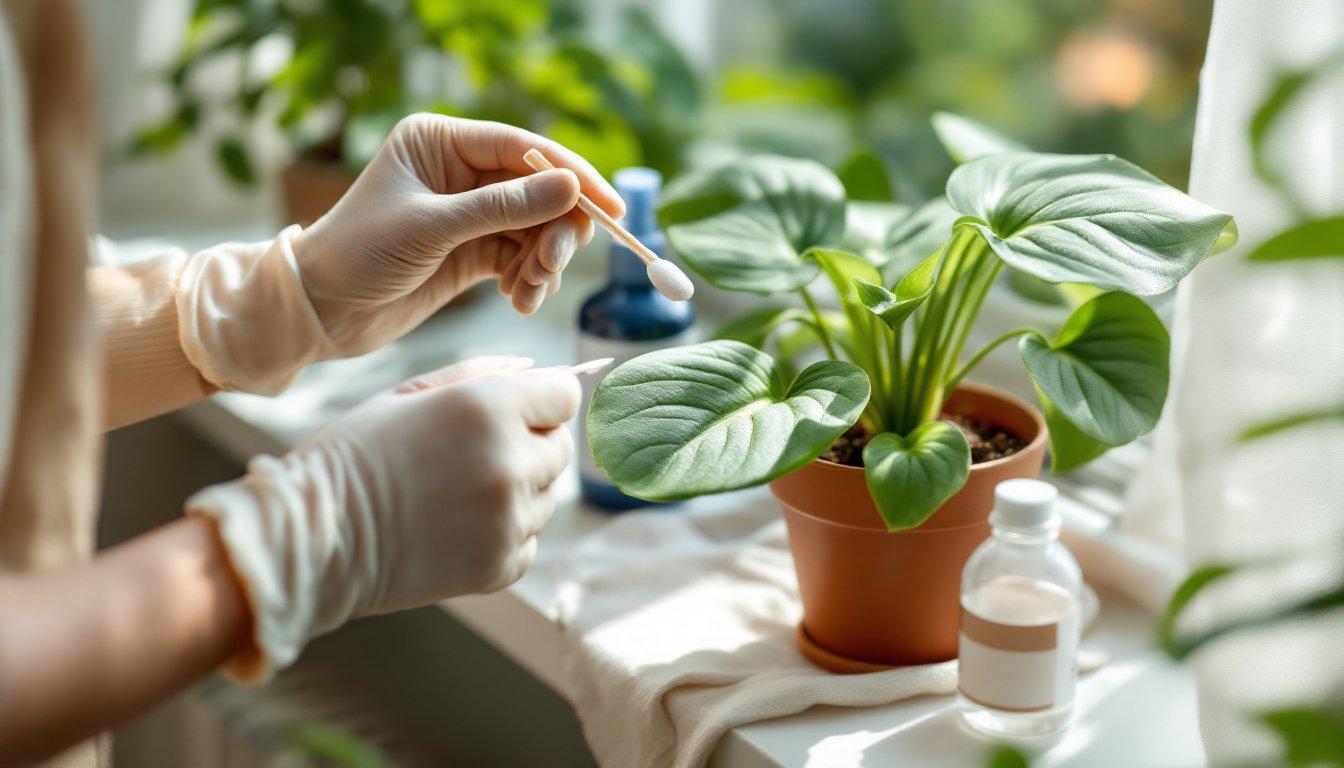
- Dip a cotton swab in rubbing alcohol and touch it directly to each visible mealybug. They’ll die within seconds. For tight spots, use a toothpick wrapped in alcohol-soaked cotton.
- For larger infestations, mix 1 part rubbing alcohol to 3 parts water in a spray bottle. Test on a single leaf first, some plants (especially ferns and succulents with waxy leaves) can develop burn spots.
- Spray all plant surfaces thoroughly, focusing on leaf axils, stem junctions, and undersides. Let the solution sit for 5–10 minutes, then rinse with lukewarm water if the plant is sensitive.
- Repeat every 4–5 days for three weeks to catch newly hatched crawlers before they mature.
Safety note: Work in a ventilated area. Alcohol is flammable, keep away from open flames and don’t apply in direct sunlight, as leaves can burn.
According to pest control guides, using lint rollers or masking tape can physically remove adults, but alcohol is more thorough for eggs and hidden bugs.
Soap and Water Solution
Insecticidal soap disrupts the cell membranes of soft-bodied insects like mealybugs, causing dehydration without harming plants. Commercial formulations are available, but a DIY version works just as well for most houseplants.
Materials:
- Pure castile soap or unscented dish soap (avoid products with degreasers, fragrances, or antibacterial agents, these can damage foliage)
- Water (preferably distilled or filtered to avoid mineral buildup)
- Spray bottle (1-quart capacity)
- Soft brush or cloth
Mixing and application:
- Combine 1 tablespoon of liquid soap per quart of water. Shake gently to mix, don’t create excessive suds.
- Spray the entire plant until runoff, paying special attention to the undersides of leaves and stems. Mealybugs hide where foliage meets the stem, so use a soft-bristled toothbrush to dislodge them from crevices.
- Let the solution sit for 10–15 minutes, then rinse thoroughly with lukewarm water. Leaving soap residue can clog stomata (leaf pores) and interfere with photosynthesis.
- Repeat every 5–7 days for a month. Consistency matters, missing a treatment allows survivors to rebuild the population.
Pro tip: Add 1 teaspoon of neem oil per quart for added effectiveness. Neem disrupts mealybug reproduction and acts as a mild fungicide, preventing the sooty mold that often accompanies infestations. Many home improvement resources recommend neem as a preventive spray year-round.
For plants that can tolerate a shower, take them to the sink or bathtub and blast them with lukewarm water first. This physically removes many bugs and exposes hidden clusters before you apply soap.
What not to use: Avoid dish soaps with added moisturizers, fragrances, or antibacterial agents (like triclosan). These can leave films on leaves or cause phytotoxicity. Brands labeled “pure castile” or “plant-based” are safest.
How to Prevent Future Mealybug Infestations
Treatment is only half the battle. Without changes to care routines and environment, mealybugs will return. Prevention focuses on plant hygiene, environmental control, and vigilant monitoring.
Quarantine new plants. Place any new arrival in a separate room for two weeks minimum. Inspect it thoroughly every few days, check under leaves, along stems, and in the soil surface. Even plants from reputable nurseries can carry hitchhikers. If you mushrooms growing in potting mix, that’s a sign of excess moisture, which also attracts pests.
Improve air circulation. Stagnant air creates the humid microclimates mealybugs love. Use a small oscillating fan on low speed to keep air moving around plants, especially in winter when windows stay closed. Space plants so foliage doesn’t touch, this prevents bugs from crawling between pots.
Adjust watering practices. Overwatering weakens plants and creates conditions for root rot, fungus gnats, and mealybugs. Water only when the top 1–2 inches of soil are dry (deeper for larger pots). Use pots with drainage holes and empty saucers promptly. Well-draining soil mixes with perlite or bark help prevent waterlogged roots.
Reduce nitrogen fertilizer. High nitrogen encourages soft, succulent growth that’s easy for mealybugs to pierce. Use a balanced fertilizer (10-10-10 or similar) at half strength during active growth periods. Overfed plants are more attractive to pests.
Wipe leaves regularly. Once a month, wipe down smooth-leaved plants with a damp cloth. This removes dust, reveals hidden bugs, and lets you inspect closely. For plants with fuzzy or delicate leaves, use a soft brush instead.
Monitor weekly. Set a reminder to check plants every 7 days. Look for the early signs: sticky spots, white fuzz, or yellowing leaves. Catching an infestation when it’s just a few bugs is infinitely easier than treating a colony of hundreds. If you’re following DIY plant care guides, regular inspection should already be part of your routine.
Consider beneficial insects. For serious collectors or recurring problems, introduce natural predators. Cryptolaemus beetles (mealybug destroyers) and lacewing larvae feed exclusively on mealybugs. They’re available from biological pest control suppliers and are safe for indoor use. They won’t eliminate an active infestation overnight but provide long-term population control.
Sterilize tools and pots. After handling infested plants, clean pruning shears, stakes, and pots with rubbing alcohol or a 10% bleach solution (1 part bleach to 9 parts water). Let them air dry completely. Reusing contaminated pots is a common way infestations spread.
Conclusion
Mealybugs are persistent, but they’re not invincible. Consistent treatment with rubbing alcohol or insecticidal soap, combined with environmental adjustments and regular monitoring, will eliminate them without chemicals that risk plant health or indoor air quality. The key is persistence, don’t stop treatments too soon, even if bugs seem gone. With the right habits, houseplants stay pest-free and healthy year-round.