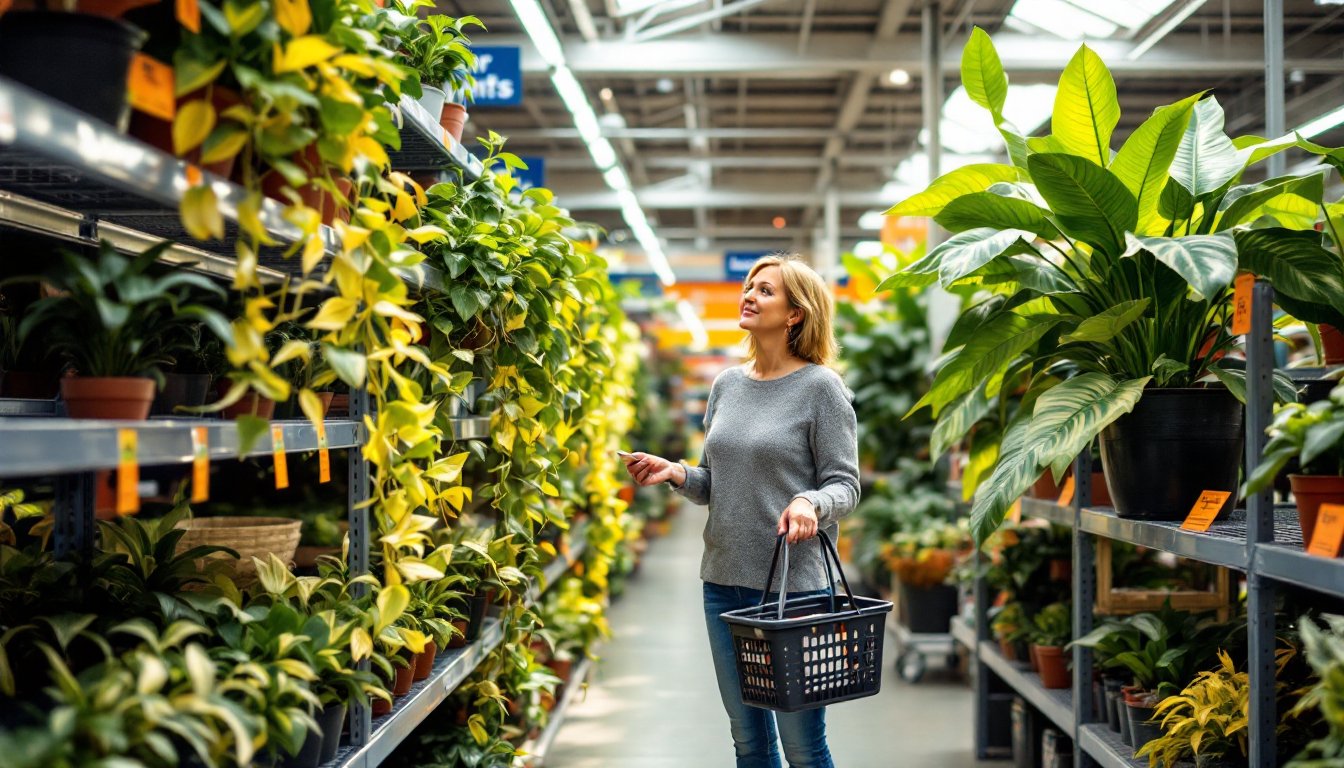
Walking into the garden center at Lowe’s can feel like stepping into a jungle, rows of green, leafy options stretching out in every direction. For anyone looking to add some life to their home without the commitment of, say, a puppy, house plants are the answer. Lowe’s offers a solid selection of indoor greenery at accessible prices, with the added benefit of being able to inspect each plant before it leaves the store. Whether someone’s a first-time plant parent or a seasoned collector hunting for something rare, understanding what Lowe’s stocks, how to pick healthy specimens, and when to shop can make all the difference.
Table of Contents
ToggleKey Takeaways
- Lowe’s house plants offer convenience and variety at competitive prices, with the advantage of inspecting plants in-person before purchase and accessing all supplies in one trip.
- Beginner-friendly options like pothos, snake plants, and spider plants thrive on neglect, while statement plants like Monstera deliciosa and fiddle leaf fig require consistent light and watering for visual impact.
- When selecting house plants, inspect foliage for yellowing or pest damage, check for root-bound conditions, and ask staff about recent shipments to ensure healthier specimens.
- Spring and fall offer peak selection and inventory for Lowe’s house plants, while signing up for email notifications and the MyLowe’s Rewards program can unlock seasonal discounts.
- Overwatering is the leading cause of plant failure; use the finger test for soil moisture, provide appropriate light levels based on plant type, and avoid overfeeding with fertilizer to keep house plants thriving at home.
- Propagation of trailing plants like pothos creates free greenery for collection expansion, while pruning and pest prevention through isolation strategies maintain long-term plant health indoors.
Why Lowe’s Is a Top Choice for House Plants
Lowe’s sits in a sweet spot between big-box convenience and garden center variety. Unlike ordering plants online, where what arrives might be half-dead or nowhere near the photos, shoppers can physically inspect each leaf, stem, and root ball before buying.
The inventory rotates seasonally, which means fresh stock arrives regularly, especially in spring and early fall when demand spikes. Most locations carry a core selection year-round: pothos, snake plants, philodendrons, and spider plants are almost always on the shelves. Larger stores often dedicate entire aisles to tropicals, succulents, and flowering varieties.
Pricing is competitive. A 4-inch pothos typically runs $3 to $6, while a 10-inch Monstera deliciosa might cost $25 to $40, depending on the region. Lowe’s also offers a 90-day plant guarantee on perennials and shrubs, though house plants fall into a gray zone, check with the store’s return policy before assuming coverage.
Another advantage: availability of supplies in one trip. Potting soil, containers, fertilizers, and humidity trays are all within a few aisles. For someone starting from scratch, that’s a big time-saver. The staff knowledge varies by location, some associates are genuinely plant-savvy, others less so. Come prepared with a list and know what to look for (more on that in a moment).
Best House Plants to Buy at Lowe’s
Low-Maintenance Options for Beginners
If someone’s new to plant care or prone to forgetting about watering, these varieties can survive neglect without staging a protest.
Pothos (Epipremnum aureum) is the workhorse of house plants. It tolerates low light, irregular watering, and dry indoor air. Lowe’s stocks several varieties, including golden pothos (yellow-green variegation) and marble queen (white-green). Expect to pay $4 to $8 for a 6-inch pot. Trails can be trained up a moss pole or left to cascade from a shelf.
Snake Plant (Sansevieria trifasciata) thrives on neglect. It needs watering maybe once every 2-3 weeks and can handle low light, though it grows faster in bright, indirect sun. The Moonshine and Black Gold cultivars are commonly available. These run $8 to $20 depending on pot size. Note: all parts are toxic to pets, so placement matters.
ZZ Plant (Zamioculcas zamiifolia) has thick, waxy leaves that store water, making it drought-tolerant. It’s nearly indestructible and grows slowly, so a $15 to $25 plant will look the same for months, which is either a feature or a bug depending on patience levels. Lowe’s often stocks 6- to 8-inch pots.
Spider Plant (Chlorophytum comosum) produces offshoots (spiderettes) that can be propagated into new plants. It’s forgiving with watering and adapts to a range of light conditions. A 6-inch pot typically costs $5 to $10. If the tips turn brown, it’s usually due to fluoride in tap water, switching to filtered or rainwater often fixes it.
For those interested in exploring low-maintenance succulent varieties, Lowe’s dedicates entire endcaps to jade plants, haworthias, and echeverias, all of which require minimal watering and bright light.
Statement Plants for Interior Design Impact
For anyone looking to make a bold move, these larger plants command attention and anchor a room’s design.
Monstera deliciosa (Swiss cheese plant) is the poster child of modern interior design. Those iconic split leaves develop as the plant matures, so younger specimens won’t have them yet. Lowe’s sells 6-inch starter plants for $10 to $15 and 10-inch mature plants for $30 to $50. Requires bright, indirect light and weekly watering. Provide a moss pole or trellis for vertical growth.
Fiddle Leaf Fig (Ficus lyrata) is notoriously finicky but undeniably striking. The large, violin-shaped leaves need consistent watering (not too much, not too little), bright indirect light, and stable conditions, no drafts, no sudden moves. Expect $30 to $80 depending on height (3 to 6 feet). Many popular house plant varieties demand this level of attention but deliver serious visual impact.
Bird of Paradise (Strelitzia reginae) brings a tropical vibe with its tall, paddle-shaped leaves. It prefers bright light and can grow 5 to 6 feet indoors. A 10-inch pot runs $40 to $70. It won’t flower indoors without extremely high light, but the foliage alone is enough.
Rubber Plant (Ficus elastica) has glossy, deep green (or burgundy, in the ‘Burgundy’ cultivar) leaves and a tree-like structure. It’s more forgiving than the fiddle leaf fig but still needs consistent moisture and bright, indirect light. Prices range from $15 for a 6-inch pot to $50+ for a 3-foot specimen.
How to Choose Healthy Plants at Lowe’s
Not all plants on the shelf are created equal. A little inspection goes a long way toward avoiding disappointment.
Check the foliage first. Look for vibrant, firm leaves without yellowing, browning, or spotting. A few minor blemishes are normal, but widespread damage suggests stress, disease, or pests. Avoid plants with crispy leaf edges unless it’s a species prone to that (like some dracaenas in dry conditions).
Inspect for pests. Flip a few leaves and check the undersides and stems for aphids, spider mites, mealybugs, or scale. Tiny webs, sticky residue, or white cottony clusters are red flags. Bringing home an infested plant can spread trouble to an entire collection.
Examine the soil and roots. The soil should be moist but not waterlogged or bone-dry. Gently tip the pot to see if roots are circling the bottom, some root presence is fine, but if they’re densely packed and circling the entire root ball, the plant is root-bound and may struggle after transplanting. Conversely, if the plant wiggles loosely in the pot, it may have been recently repotted and hasn’t established yet.
Look at overall structure. A healthy plant has balanced, symmetrical growth (unless it’s a vining type). Leggy, stretched stems usually indicate the plant was grown in low light and is reaching for more. That’s not a dealbreaker, but expect some pruning and training to get it back into shape.
Ask about recent arrivals. If the staff knows when a shipment came in, aim for plants that have been acclimated for at least a few days. Freshly stocked plants are still adjusting to the store’s conditions and may have hidden stress.
One more tip: avoid clearance racks unless comfortable with plant rehab. A $3 half-dead pothos can be revived, but it’s a project, not a sure thing.
Seasonal Availability and Pricing Tips
Lowe’s house plant selection ebbs and flows with the calendar. Understanding the patterns can save money and expand options.
Spring (March through May) is peak season. Inventory is at its highest, with the widest variety of tropicals, succulents, and flowering plants. Prices are standard retail, but selection is unmatched. This is the time to hunt for less common varieties or larger statement plants.
Summer (June through August) maintains decent stock, though some stores shift focus to outdoor plants and garden supplies. Indoor plant displays may shrink slightly. Clearance sales sometimes pop up mid-summer as stores make room for fall inventory.
Fall (September through November) sees a second surge, especially in late September and October. Many shoppers are transitioning outdoor plants inside or refreshing their interiors before the holidays. Inventory is restocked but typically not as deep as spring. Pricing remains consistent, though occasional promotions appear around Labor Day.
Winter (December through February) is hit-or-miss. The core plants (pothos, snake plant, spider plant) are almost always available, but selection narrows. Post-holiday markdowns in January and February can yield deals on poinsettias, amaryllis, and other gift plants if interested in nursing them back for next year.
Pricing strategies: Lowe’s runs periodic sales, often tied to holidays or seasonal transitions. Sign up for their email list or app notifications to catch 20-25% off promotions. The MyLowe’s Rewards program (free to join) occasionally offers targeted discounts. For budget-conscious shoppers, easy-care house plant options in smaller pot sizes offer the best value, these grow quickly and can be propagated.
Compare prices with local independent nurseries. Lowe’s is competitive on common varieties but may charge a premium on trendy plants like Monsteras or Alocasias. Specialty nurseries sometimes offer better deals and healthier stock on those.
Caring for Your Lowe’s House Plants at Home
Bringing a plant home is the easy part. Keeping it alive requires understanding its needs and setting up the right conditions.
Acclimation matters. Even if a plant looks perfect in the store, it’s been growing under specific conditions (likely high humidity, bright greenhouse light, and consistent watering). Homes are typically drier and darker. Expect some leaf drop or yellowing in the first few weeks as the plant adjusts. Don’t panic and overwater, this is normal.
Light requirements are non-negotiable. Most house plants fall into three categories: low light (snake plant, pothos, ZZ plant), medium/indirect light (philodendrons, prayer plants), and bright indirect light (Monstera, fiddle leaf fig, most succulents). “Indirect” means no direct sun rays hitting the leaves, which can scorch them. A room with a south-facing window but the plant set back 5-6 feet is ideal for bright indirect light. If working with low light, choose accordingly, no amount of wishful thinking will make a fiddle leaf fig happy in a windowless bathroom.
Watering is where most beginners fail. Overwatering kills more house plants than underwatering. The “stick a finger 1-2 inches into the soil” test is reliable: if it’s dry at that depth, water. If it’s moist, wait. Water thoroughly until it drains from the bottom, then empty the saucer, don’t let the pot sit in standing water. According to home gardening resources, adjusting watering frequency based on seasonal humidity changes prevents root rot.
Humidity helps, especially for tropicals. Most homes sit around 30-40% humidity in winter due to heating: tropicals prefer 50-60%. Group plants together, use a pebble tray with water beneath the pot (not touching the bottom), or run a humidifier nearby. Misting is largely ineffective and can promote fungal issues.
Fertilize, but sparingly. House plants grow slower than outdoor plants and need less feeding. A balanced, water-soluble fertilizer (10-10-10 or 20-20-20 NPK ratio) diluted to half-strength every 4-6 weeks during spring and summer is plenty. Skip fertilizing in fall and winter when growth slows. Over-fertilizing causes salt buildup and crispy leaf tips.
Repotting isn’t always necessary. Most plants from Lowe’s can stay in their nursery pots for 6-12 months. When roots start poking out the drainage holes or growth stalls even though good care, it’s time to move up one pot size (2 inches larger in diameter). Use a well-draining potting mix appropriate for the plant type, cactus mix for succulents, standard potting soil for most tropicals. Don’t bury the stem deeper than it was originally: this invites rot.
Pest management starts with prevention. Inspect new plants before bringing them inside. Isolate them for a week or two if possible. If pests appear, wipe leaves with a damp cloth, spray with insecticidal soap, or use neem oil. Persistence is key, most pests require multiple treatments to eliminate.
Pruning and propagation extend plant life. Trim dead or yellowing leaves at the base with clean scissors. For vining plants like pothos or philodendron, cutting back leggy growth encourages bushier shape. Those cuttings can be rooted in water or soil to create new plants, free greenery. For those who enjoy experimenting with unique indoor plant varieties, propagation is a low-cost way to expand a collection.
Troubleshooting common issues:
- Yellow leaves: Usually overwatering or poor drainage. Check soil moisture and root health.
- Brown tips: Low humidity, fluoride in tap water, or fertilizer burn. Adjust accordingly.
- Drooping: Underwatering (soil bone-dry) or overwatering (soil soggy, roots mushy). Diagnosis matters.
- Leggy growth: Insufficient light. Move closer to a window or add a grow light.
- No growth: Normal in fall/winter for many species. Also check if root-bound or underfed.
For anyone interested in expanding into specialty varieties like cacti or bold tropical foliage, Lowe’s occasional stock rotations offer opportunities to experiment. Detailed plant care guides from trusted home improvement sources can provide species-specific advice beyond general care.
With realistic expectations and consistent care, most house plants from Lowe’s will thrive for years. The key is matching the plant to the environment, not forcing a high-maintenance species into a low-light, low-effort situation. Start simple, build confidence, then branch out.