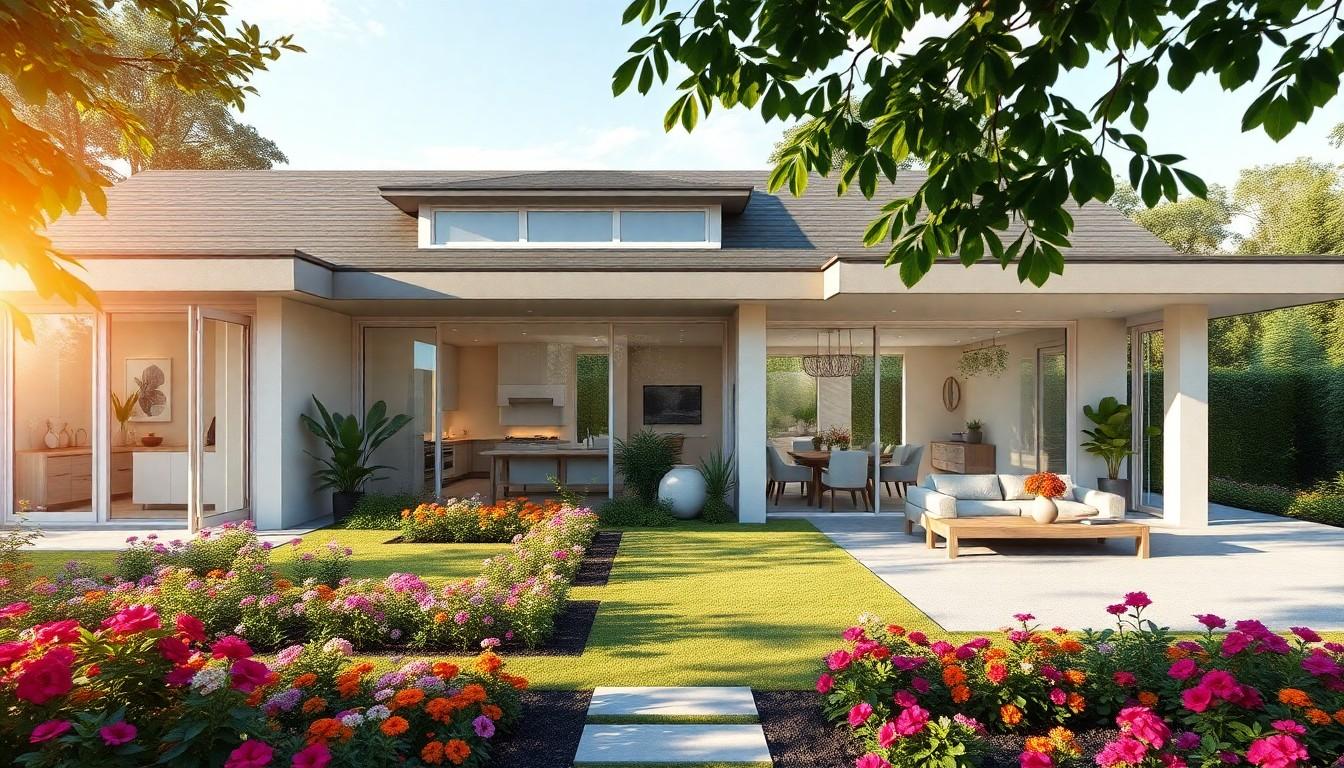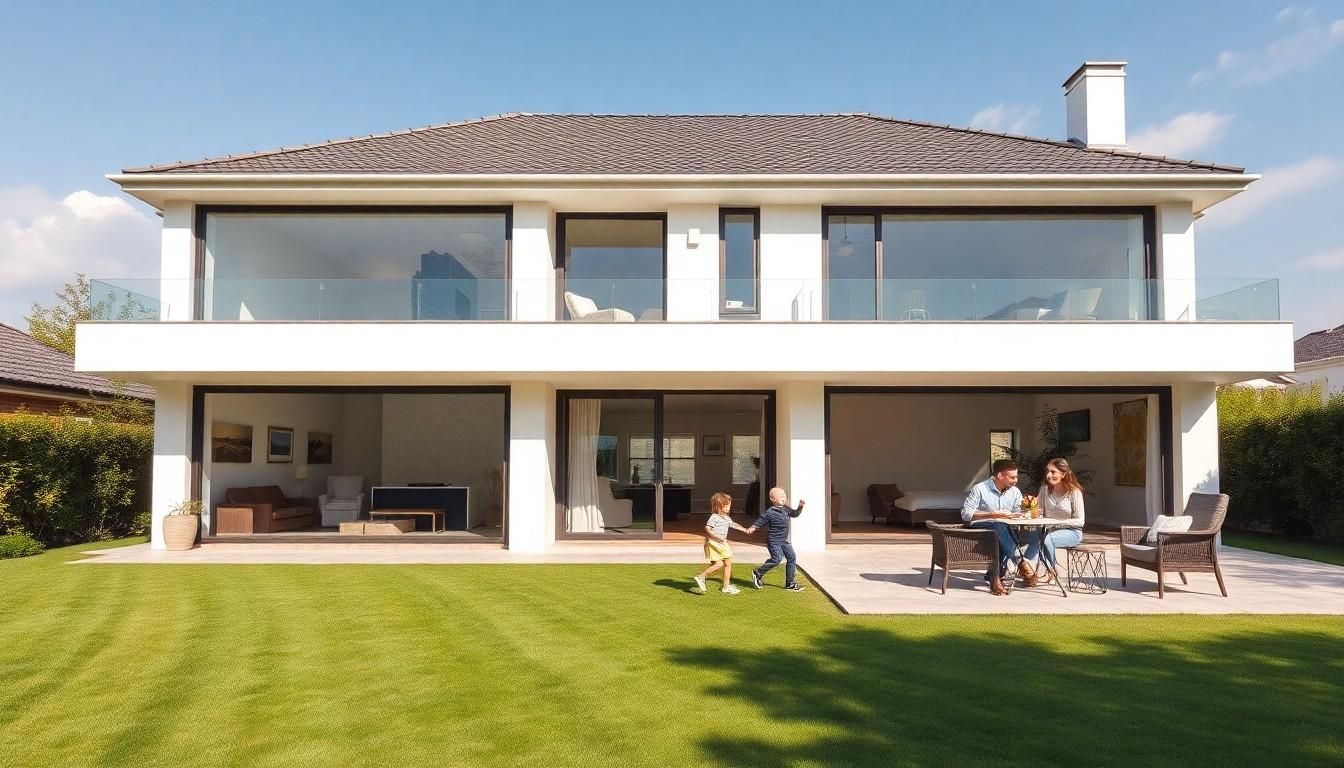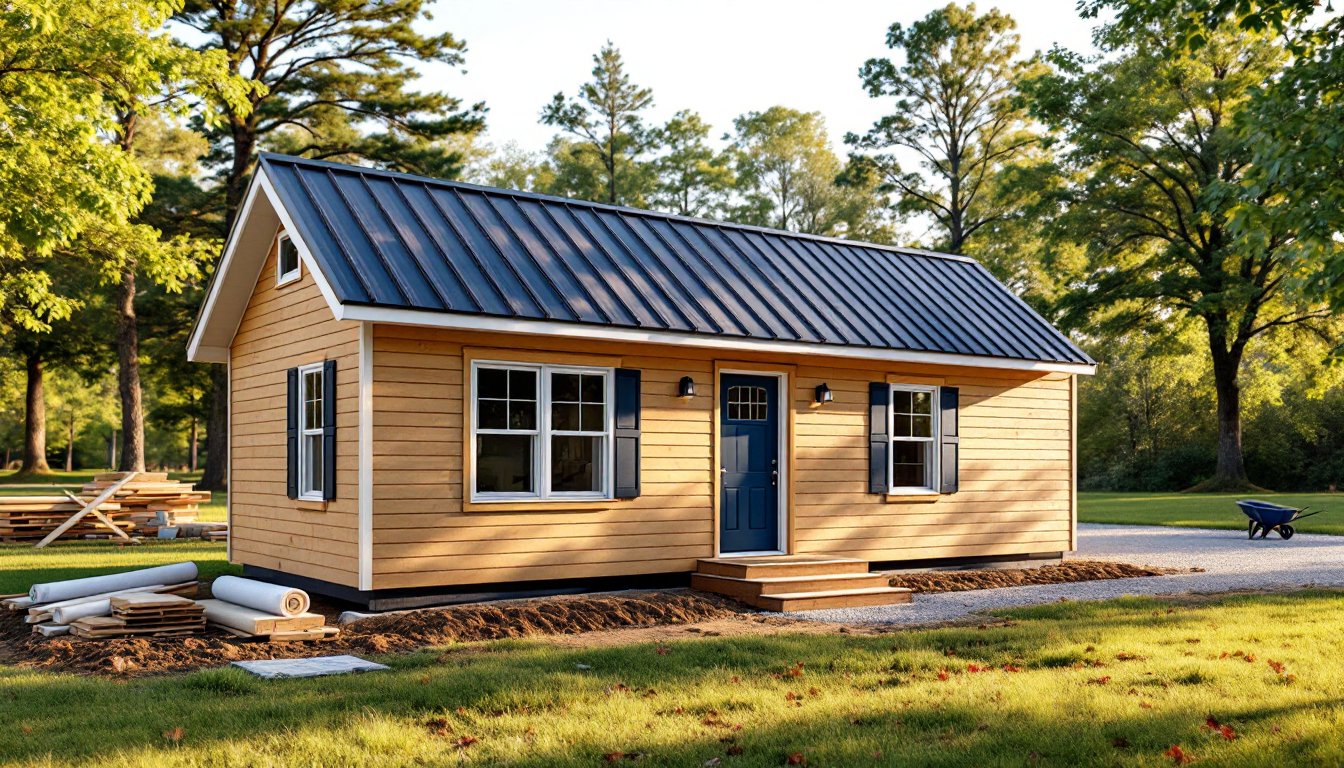
Building a tiny house doesn’t mean sacrificing comfort or privacy. Two-bedroom layouts pack functional living space into compact footprints while keeping construction costs low. Whether you’re downsizing, building a vacation retreat, or creating an affordable first home, low-cost 2 bedroom tiny house plans offer a practical path to homeownership without the six-figure price tag. This guide breaks down smart design choices, budget-friendly materials, and proven floor plans that balance affordability with livability.
Table of Contents
ToggleKey Takeaways
- Low-cost 2 bedroom tiny house plans can be built for under $60,000, a fraction of traditional home costs, making homeownership accessible for downsizers and first-time buyers.
- Simple rectangular layouts with gable roofs, open floor plans, and loft bedrooms minimize material waste and labor hours, keeping construction expenses manageable.
- Affordable materials like OSB sheathing, metal roofing, vinyl plank flooring, and clustered plumbing layouts significantly reduce upfront costs without sacrificing durability.
- DIY builders can cut construction costs in half by handling framing, insulation, and finish work while outsourcing foundation, electrical, and plumbing to licensed professionals.
- Stock construction plans ($500-$1,500) and modification services ($200-$500) provide code-compliant designs at a fraction of custom architect fees, ideal for budget-conscious builders.
Why Choose a 2 Bedroom Tiny House?
A second bedroom transforms a tiny house from a solo dwelling into a versatile space that accommodates guests, remote work, or growing families. Unlike single-room layouts, two-bedroom plans provide physical separation between sleeping and living areas, essential for maintaining privacy and work-life boundaries.
Builders typically define tiny houses as structures under 400 square feet on wheels or under 1,000 square feet on permanent foundations. Two-bedroom designs usually fall between 500-800 square feet, offering enough room for couples, small families, or individuals who need dedicated office space. That extra bedroom might serve as a nursery, home office, craft room, or guest quarters without requiring a massive footprint.
The cost advantage is significant. While traditional 2 bedroom homes average $200,000-$400,000 depending on region, tiny house builds often come in under $60,000 including materials and basic finishes. Labor represents the biggest variable, DIY builders can cut costs in half compared to hiring contractors for every phase. Foundations also impact budgets: permanent slabs cost $4-$7 per square foot, while trailer-mounted builds start around $4,500 for a quality dual-axle trailer.
Lower square footage means reduced property taxes, utility bills, and maintenance costs over time. Heating and cooling a 600-square-foot space costs a fraction of what a 2,000-square-foot home demands, particularly when builders incorporate proper insulation and energy-efficient windows from the start.
Budget-Friendly Design Features That Keep Costs Down
Simple Rectangular Layouts
Complexity drives up costs fast. Every corner, roof angle, and jog in the floor plan adds material waste, labor hours, and potential failure points. Rectangular footprints with simple gable or shed roofs minimize framing complexity and material cuts.
A basic 24×28-foot rectangle provides 672 square feet, enough for two bedrooms, a full bath, kitchen, and living area. Standard dimensional lumber like 2×4 studs (actual size 1.5×3.5 inches) spaced 16 inches on center fits this layout without custom cuts. Roof trusses for gable roofs cost $3-$5 per linear foot for spans under 30 feet, while custom hip or mansard roofs can double that expense.
Open floor plans reduce wall framing and door hardware costs. Combining kitchen, dining, and living areas in one continuous space eliminates interior load-bearing walls, though builders must still account for header requirements over wide openings. Pocket doors or barn-style sliders cost less than traditional swing doors and save floor space, a pocket door kit runs $150-$300 versus $50-$100 for standard prehung doors, but the space savings often justify the upfront cost in tight layouts.
Loft bedrooms cut costs further by utilizing vertical space without expanding the foundation. A sleeping loft over the bathroom or kitchen eliminates the need for a full second bedroom at ground level. Building codes require minimum 7-foot ceiling height in habitable rooms, but lofts used solely for sleeping can go as low as 3-4 feet at the edges if the center provides adequate headroom. This approach works well for kids’ rooms or guest quarters when designing tiny house bedrooms that maximize every inch.
Affordable Material Choices
Material selection impacts both upfront costs and long-term durability. Plywood sheathing (7/16-inch OSB at $15-$25 per 4×8 sheet) provides adequate structural support for walls and roofs at lower cost than solid wood boards. T1-11 siding combines sheathing and exterior finish in one product, eliminating separate siding installation, expect $1.50-$2.50 per square foot installed.
Metal roofing outlasts asphalt shingles and costs only slightly more upfront. Standing seam panels run $4-$7 per square foot installed and last 40-70 years, while architectural shingles cost $3-$5 per square foot but need replacement every 20-30 years. Metal roofs also shed snow better and require less maintenance.
For interior walls, 1/2-inch drywall remains the most budget-friendly finish at $0.50-$0.75 per square foot for materials. Tongue-and-groove pine boards create character but cost $2-$4 per square foot. Painted drywall keeps the budget tight while providing clean, modern aesthetics.
Vinyl plank flooring offers durability and moisture resistance without hardwood prices. Quality LVP (luxury vinyl plank) costs $2-$5 per square foot and installs over most subfloors with minimal prep. It holds up well in kitchens and baths where real wood struggles. Concrete floors, left exposed with a polished or stained finish, cost practically nothing beyond the foundation pour and add thermal mass for passive heating.
Windows represent a significant budget line. Standard double-hung vinyl windows cost $150-$400 each depending on size, while fixed-pane windows run $100-$250. Builders can save by using more fixed glass on walls without egress requirements and limiting operable windows to bedrooms and living areas. The International Residential Code (IRC) requires bedroom egress windows with minimum 5.7 square feet of opening and a sill height no more than 44 inches from the floor.
Plumbing costs drop dramatically with clustered layouts. Positioning the bathroom adjacent to the kitchen allows both spaces to share a single water supply line and drain stack. Every additional fixture or water line adds $500-$1,500 in materials and labor, so keeping plumbing centralized cuts costs without sacrificing function.
Top Low-Cost 2 Bedroom Tiny House Floor Plans
Several proven layouts balance affordability with livability. These plans work for both DIY builders and those hiring contractors for specific phases.
The Railroad Layout (16×40 feet, 640 sq ft): This long, narrow design places rooms in a single file, living room, kitchen, bathroom, and two bedrooms from front to back. It works well on narrow lots or trailer builds. The linear plumbing run keeps costs down, and the simple gable roof requires minimal materials. Builders using this layout typically position windows on the long sides for cross-ventilation. But, the center bedroom lacks natural light unless skylights are added (budget $500-$1,200 per skylight installed).
The Split Bedroom Plan (24×24 feet, 576 sq ft): Bedrooms occupy opposite corners with shared living space between them. This layout maximizes privacy for roommates or families with older children. The central bathroom serves both bedrooms without requiring a hallway. A compact U-shaped kitchen fits along one wall, leaving room for a dining table and living area. This square footprint uses materials efficiently and provides four exterior walls for windows, improving natural light and ventilation throughout.
The Loft + Ground Floor Plan (20×24 feet, 480 sq ft + loft): The main floor contains one bedroom, bathroom, and open living/kitchen area. A sleeping loft above the bedroom or bathroom provides the second sleeping space. This works especially well for families with young children or guests who don’t need full-time bedroom access. Stairs to the loft consume about 16-20 square feet of floor space: ladder access (more common in trailer builds) saves that space but limits accessibility.
The Detached Bedroom Plan (Main house 16×20 feet + separate 10×12 bedroom): Building the second bedroom as a small detached structure (often called a “bunkhouse” or “casita”) separates guest or teen space from the main living area. This approach works on permanent foundations with adequate lot size but doesn’t suit trailer-mounted builds. The main structure houses one bedroom, bath, and living areas: the separate building provides a bed and closet only. Total material costs stay lower than a single larger structure due to simpler foundations and reduced framing complexity. Check local setback requirements, most jurisdictions require 5-10 feet between structures on the same lot.
Regional considerations affect plan selection. Builders in cold climates should avoid loft bedrooms unless they install dedicated heating, heat rises, making lofts uncomfortable in summer without adequate ventilation. Those in hot, humid regions benefit from designs prioritizing cross-ventilation and covered porches that shade walls without complex roof framing. Many successful simple house plans adapt these principles for slightly larger footprints when builders need extra space.
Where to Find Affordable Tiny House Plans
Plan costs range from free downloads to several thousand dollars for custom designs. Budget-conscious builders have multiple options that don’t sacrifice quality or code compliance.
Free and Low-Cost Plan Sources: Websites like Apartment Therapy occasionally feature downloadable tiny house plans in their small space coverage. Many are conceptual rather than construction-ready, but they provide solid starting points for builders willing to develop detailed framing plans themselves. State and county extension services sometimes offer basic small home plans for $50-$200, these typically meet local codes since they’re developed with regional requirements in mind.
Stock Plan Websites: Companies specializing in small home designs sell construction-ready plans for $500-$1,500. These include foundation details, framing layouts, electrical schematics, and material lists. Stock plans cost a fraction of custom designs while offering proven layouts. Look for plans stamped by a licensed architect or engineer, some jurisdictions require professional stamps for permit approval. The stamp adds $300-$800 to plan costs but streamlines the permitting process.
Modification Services: Buying stock plans and paying for minor modifications costs less than full custom design. Most plan services offer revision packages for $200-$500 that adjust room sizes, window placement, or exterior finishes while maintaining the core layout. This approach works well when builders find a plan that’s 80% right and needs only small tweaks.
DIY Plan Development: Experienced builders comfortable with structural concepts can develop their own plans using design software. Programs like SketchUp (free version available) or Chief Architect ($200-$3,000 depending on version) let users create detailed 3D models and generate material lists. But, DIY plans often require professional review before permit submission, budget $500-$1,500 for a structural engineer to review and stamp plans. This route saves money only if the builder has solid construction knowledge and understands local code requirements.
Book Resources: Several published guides include complete tiny house plans with cut lists and assembly instructions. These books cost $20-$40 and often include multiple layout options. They work well for builders who prefer physical references over digital plans. But, verify that plans meet current IRC or International Building Code (IBC) standards, some published plans predate recent code updates, particularly about egress requirements and insulation values.
Always verify that plans meet local codes before purchasing. Some jurisdictions don’t recognize tiny houses as legal dwellings or impose minimum square footage requirements. Call the building department early in the planning process, rebuilding non-compliant framing costs far more than getting it right from the start. Many areas now allow accessory dwelling units (ADUs) under relaxed codes, creating opportunities for tiny house placement on existing lots where standalone homes wouldn’t be permitted.
DIY Building Tips to Maximize Your Savings
Sweat equity cuts costs dramatically, but builders need to realistically assess their skills and available time. Most DIYers can handle framing, insulation, and finish work while hiring out foundation, electrical, and plumbing, licensed trades that require permits and inspections.
Foundation Work: Permanent foundations require precision and heavy equipment. Hiring a concrete crew for site prep, forms, and pouring costs $3,000-$8,000 depending on size and site conditions, but ensures level, square results. DIY foundation work often leads to problems that compound through every subsequent phase. But, builders comfortable with concrete can handle simple slab-on-grade pours for small structures, particularly in warm climates without frost heave concerns. Trailer-mounted builds eliminate foundation work entirely but require confidence in trailer selection and tie-down methods that meet Department of Transportation (DOT) requirements if the house will ever move.
Framing: Wall and roof framing represents the most DIY-friendly phase. A builder with basic carpentry skills, a circular saw or miter saw, speed square, and level can frame walls and install trusses or rafters. Wall sections built flat on the subfloor and tipped up into place work well for small structures. Expect framing to take 2-4 weeks of full-time work for inexperienced builders, faster for those with help. Rental scaffolding costs $100-$200 per month, worth it for safe roof work. The guide on building efficient layouts provides detailed framing techniques that ensure structural integrity.
Electrical and Plumbing: Most jurisdictions require licensed electricians and plumbers for permitted work. But, some allow homeowner-performed work on owner-occupied dwellings if the owner pulls permits and passes inspections. This varies widely, check local rules before planning DIY electrical or plumbing. The National Electrical Code (NEC) sets strict standards for wire sizing, circuit protection, and grounding. Mistakes create fire hazards and code violations that prevent final inspections. Budget $2,000-$4,000 for professional electrical rough-in and finish if you’re not qualified. Plumbing rough-in typically costs $1,500-$3,500 depending on fixture count and material choices (PEX piping runs cheaper than copper).
Insulation and Drywall: Both are labor-intensive but straightforward. R-13 fiberglass batts for 2×4 walls cost $0.40-$0.60 per square foot, while R-19 for 2×6 walls runs $0.60-$0.80. Builders in cold climates should consider 2×6 framing for exterior walls to accommodate thicker insulation, the material cost increase pays back through lower heating bills. Spray foam insulation (R-6 to R-7 per inch) costs $1.50-$3.00 per square foot installed but seals air leaks better than batts. DIY closed-cell foam kits exist but require careful application, improper mixing creates weak spots and wasted material.
Drywall installation goes faster with help. Hanging 1/2-inch sheets on ceilings requires two people or a drywall lift (rental cost $40-$60 per day). Taping and finishing drywall demands patience more than skill, plan on three coats of joint compound with sanding between coats. Many DIYers hire out just the taping phase ($1.50-$3.00 per square foot) while handling hanging themselves.
Finish Work: Painting, flooring, and trim installation suit DIY skills well. These tasks take time but rarely create structural issues when done imperfectly. Expect finish work to consume 3-6 weeks for a 600-square-foot house. Using pre-primed trim and paintable caulk speeds up the process. Flooring installation depends on material choice, floating LVP floors click together without adhesive, while sheet vinyl requires smooth subfloors and careful pattern matching.
Tool Budget: Basic tool kits for framing include a circular saw ($80-$150), cordless drill/driver ($100-$200), level ($30-$80), tape measure, and square. A miter saw ($200-$400) makes trim work cleaner but isn’t essential. Avoid buying specialty tools for single-use tasks, rent concrete mixers, tile saws, and pneumatic nailers instead. Total tool investment for a DIY tiny house build runs $500-$1,500 if starting from scratch, less if borrowing from friends or buying used.
Timeline Reality: Full-time DIY builders complete tiny houses in 3-6 months. Weekend warriors working evenings and weekends should expect 12-18 months. Weather delays, permit wait times, and design changes extend schedules. Having realistic timelines prevents burnout and budget overruns from rushed decisions. Understanding detailed project cost factors helps builders anticipate expenses beyond materials and avoid common budgeting mistakes.
Safety Equipment: Don’t skip PPE (personal protective equipment). Safety glasses ($10-$20), work gloves ($10-$15), dust masks or respirators ($25-$60 for reusable respirators), and hearing protection ($15-$30) prevent injuries that can derail projects and rack up medical bills. Cutting treated lumber or working with spray foam requires respirators rated for chemical vapors, not just dust. Roof work demands fall protection, harnesses and anchor points cost $100-$300 but prevent life-altering injuries.
Permit Costs: Budget $500-$2,000 for building permits depending on jurisdiction and project value. Some areas charge flat fees: others calculate permits as a percentage of estimated construction costs. Electrical and plumbing permits often come separately from building permits. Skipping permits saves money upfront but creates problems when selling or insuring the property. Most mortgage lenders won’t finance unpermitted structures, and insurance companies may deny claims for damage to non-permitted builds.
Final Thoughts: Low-cost 2 bedroom tiny house plans offer a realistic path to homeownership for builders willing to embrace compact living and hands-on construction. Choosing simple layouts, affordable materials, and tackling appropriate phases yourself keeps costs manageable while creating a comfortable, functional home. Focus on getting the structure weathertight first, interior finishes can happen over time as budgets allow. A well-built tiny house on a tight budget beats an overextended mortgage on a house that’s too big to maintain.