Indoor gardening has taken a sharp turn toward innovation, and lighted indoor plants are leading the charge. For homeowners with dim corners, basement spaces, or north-facing rooms, supplemental lighting unlocks the ability to grow nearly any plant species indoors. This isn’t about fairy lights draped over a fern for aesthetics, it’s about using targeted grow lights to provide the spectrum and intensity plants need for photosynthesis. Whether someone’s starting their first windowsill herb garden or planning a full living wall installation, understanding how light works with indoor greenery is the foundation of success.
Table of Contents
ToggleKey Takeaways
- Lighted indoor plants use targeted grow lights to provide plants with the specific blue and red wavelengths needed for photosynthesis, enabling nearly any species to thrive in dim spaces like basements and north-facing rooms.
- Low-light-tolerant species such as pothos, snake plants, and ZZ plants are ideal starting points for beginners; position them 6-12 inches from the light source and run lights for 12-16 hours daily for optimal growth.
- LED grow lights outperform fluorescents with 30-50% lower energy consumption, minimal heat output, and 50,000+ hour lifespans, making them the most efficient choice for long-term indoor gardening setups.
- Simple DIY projects like countertop herb gardens with gooseneck lamps ($30-40) or multi-tier wire shelving with LED strips provide scalable, affordable ways to create lighted plant displays without advanced skills.
- Full-spectrum LEDs with adjustable height, timers, and proper PAR (photosynthetically active radiation) output ensure healthy growth while also improving indoor air quality and adding biophilic design elements to any room.
What Are Lighted Indoor Plants and Why They’re Trending
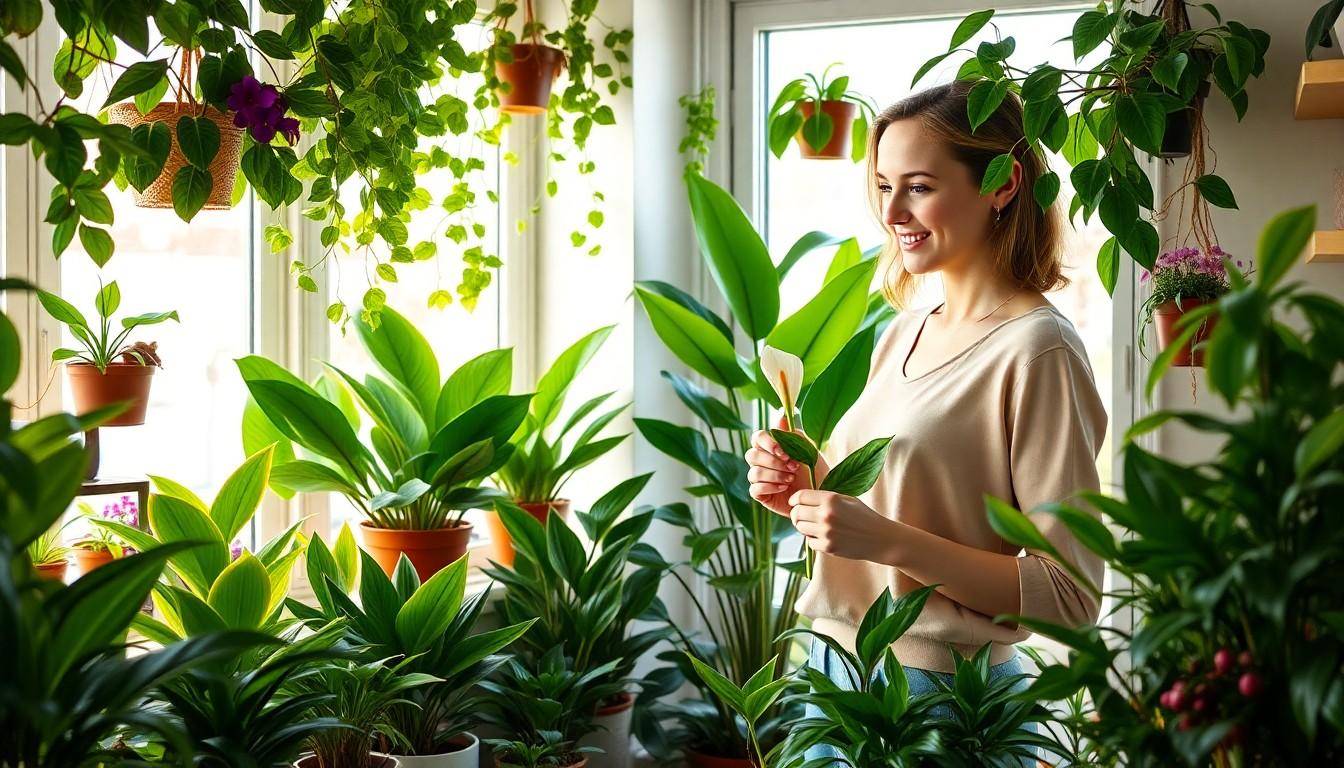
Lighted indoor plants refer to houseplants grown with artificial lighting, typically grow lights, to supplement or replace natural sunlight. The trend has surged for practical reasons: more people live in apartments with limited window access, urban environments block natural light, and remote work has increased time spent indoors where greenery improves air quality and mood.
The science is straightforward. Plants require light in specific wavelengths, primarily blue light (400-500 nm) for vegetative growth and red light (600-700 nm) for flowering and fruiting. Standard incandescent bulbs don’t deliver the right spectrum, but modern grow lights do. This allows plants like pothos, snake plants, and even sun-loving succulents to thrive in spaces that would otherwise be too dark.
Another driver: the rise of biophilic design. Homeowners and renters alike want living decor that serves function beyond aesthetics. Plants reduce VOCs, increase humidity, and create focal points in interior design. Adding grow lights means those benefits aren’t restricted to rooms with south-facing windows. The setup can be as simple as a clip-on LED grow bulb over a single potted plant or as involved as a multi-tier shelving system with programmable light strips.
Best Indoor Plants for Low-Light Conditions
Not all plants demand intense light, even with supplemental lighting. For beginners or those working with minimal wattage, starting with low-light-tolerant species makes sense. These plants won’t sulk if the grow light runs only 8-10 hours a day or if the fixture is a few feet away.
Top performers include:
- Pothos (Epipremnum aureum): Tolerates low light but grows faster and fuller under grow lights. Trailing vines work well on shelves or hanging planters.
- Snake plant (Sansevieria trifasciata): Near-indestructible. Needs minimal water and light. A 15-watt LED bulb within 12-18 inches provides enough energy.
- ZZ plant (Zamioculcas zamiifolia): Glossy foliage, drought-tolerant, and thrives under fluorescent or LED lighting. Ideal for offices or basements.
- Philodendron species: Heartleaf philodendrons and similar varieties adapt to indirect light. Supplemental lighting boosts leaf size and color.
- Cast iron plant (Aspidistra elatior): Lives up to its name. Handles neglect, low humidity, and dim conditions.
For those interested in expanding their collection, some of the easiest house plants provide excellent starting points. When positioning plants under lights, keep foliage 6-12 inches from the source for low-light species. Too close, and leaf burn occurs: too far, and growth slows. A simple timer (mechanical or smart plug) ensures consistent photoperiods, most houseplants do well with 12-16 hours of light daily.
Choosing the Right Grow Lights for Your Indoor Garden
Selecting grow lights comes down to three factors: spectrum, wattage, and form factor. Full-spectrum LEDs dominate the market now, but fluorescents still have a place in budget builds. Avoid incandescent and halogen bulbs, they generate heat without useful wavelengths.
Key specifications to consider:
- PAR (Photosynthetically Active Radiation): Measures light usable by plants (400-700 nm). Look for fixtures listing PAR output or PPFD (photosynthetic photon flux density) values. For reference, leafy greens need around 200-400 µmol/m²/s, while flowering plants want 400-600+ µmol/m²/s.
- Color temperature (Kelvin): “Cool white” LEDs (5000-6500K) lean blue, promoting compact, leafy growth. “Warm white” (2700-3000K) skews red, encouraging flowering. Full-spectrum bulbs blend both.
- Wattage and coverage: A single 9-15 watt LED bulb covers roughly 1-2 square feet. Larger setups need panel lights or multiple fixtures. Calculate based on plant density and light requirements.
Mounting options matter. Clip-on gooseneck lamps work for individual pots on desks or counters. T5 or T8 fluorescent shop lights suit multi-plant shelving units. LED strip lights fit under cabinets or along plant stands. For serious indoor gardening, panel-style grow lights with adjustable height and timers offer the most control.
Safety note: Always check that fixtures are rated for the environment. In humid spaces (near sinks, in bathrooms), use moisture-resistant or enclosed fixtures to avoid electrical hazards. Many quality options are reviewed in detail by sources like Hunker’s guide to grow lights, which can help narrow down choices.
LED vs. Fluorescent: Which Light Works Best
LEDs have largely replaced fluorescents for good reason. They consume 30-50% less electricity, produce minimal heat, and last 50,000+ hours compared to fluorescents’ 10,000-20,000. Heat management matters: LEDs can sit closer to plants without scorching leaves, maximizing space in compact setups.
That said, fluorescent tubes (T5/T8) remain cost-effective for larger shelving systems. A 4-foot T5 fixture runs about $30-50 and covers multiple trays of seedlings or propagation. The light output is even and diffuse, reducing hot spots. But, fluorescents dim over time and require bulb replacement every 1-2 years.
For single-plant accent lighting or small herb gardens, screw-in LED grow bulbs (standard E26 base) drop into any desk lamp. They range from $10-25 each and offer plug-and-play simplicity. For dedicated grow stations, invest in full-spectrum LED panels with dimming and spectrum control. These run $50-200+ depending on wattage and features, but the efficiency and longevity pay off.
Bottom line: LEDs win for energy efficiency and longevity. Fluorescents still work for budget-conscious DIYers with larger grow areas.
Creative Ways to Display Lighted Plants in Your Home
Lighting opens up display possibilities beyond the windowsill. With the right fixtures, any corner, hallway, or basement can host thriving greenery. Here are practical setups that balance function and aesthetics.
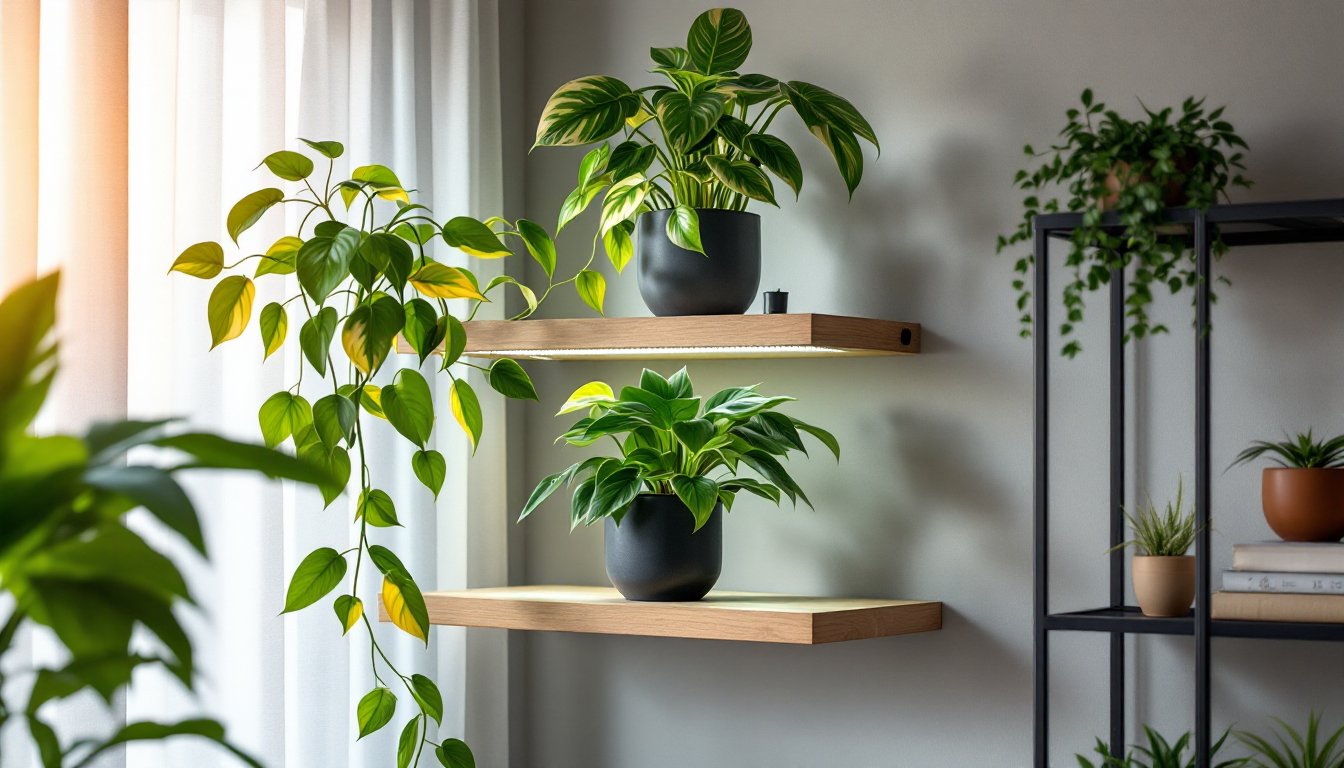
Floating shelves with LED strips: Mount 8-12 inch deep floating shelves in a staggered pattern. Run adhesive-backed LED grow strips along the underside of each shelf. This creates a cascading effect with trailing plants like pothos or string of pearls. Wire management clips keep cords tidy.
Bookcase grow station: Repurpose a standard bookshelf (IKEA Billy units work well). Install T5 fluorescent or LED shop lights on adjustable chains inside each shelf compartment. Line shelves with waterproof trays. This method works for large indoor house plants in their juvenile stages or dense collections of smaller pots.
Floor plant spotlights: Use adjustable tripod floor lamps with PAR38 LED grow bulbs to spotlight statement plants, fiddle leaf figs, monstera, or bird of paradise. Position the light 18-24 inches from the canopy. This doubles as task lighting in living rooms or home offices.
Wall-mounted planters with integrated lights: Modular wall planter systems (like those from Gardyn or custom builds) combine vertical planters with built-in LED arrays. These are ideal for kitchens (herbs) or entryways (greenery without floor space). Ensure the wall can support the weight, soil, water, and pots add up quickly.
Terrariums with embedded lighting: Enclose low-humidity plants (succulents, air plants) in glass cloches or geometric terrariums. Add small battery-powered or USB LED strips inside. Keep the glass clean to maximize light transmission.
When planning displays, consider the room’s existing decor. Warm-toned wood shelves pair well with brass or copper fixture accents. Industrial spaces suit black metal frames with exposed bulbs. For more inspiration on modern plant decor, balancing greenery with home aesthetics creates cohesive designs.
DIY Lighted Plant Projects for Beginners
Building a lighted plant setup doesn’t require advanced carpentry or electrical skills. These projects use off-the-shelf components and basic tools. Wear safety goggles when cutting materials and ensure all electrical connections are secure.
Project 1: Countertop Herb Garden with Grow Light
Materials:
- Three 4-6 inch terracotta pots
- Potting soil and herb seedlings (basil, parsley, cilantro)
- 12-inch gooseneck lamp with clamp base
- 15-watt full-spectrum LED grow bulb (E26 base)
- Plug-in timer
Steps:
- Fill pots with potting soil, plant herbs, and water thoroughly.
- Arrange pots in a row on a kitchen counter or shelf near an outlet.
- Clamp the lamp to the shelf or counter edge, positioning the bulb 8-10 inches above the plant tops.
- Screw in the LED grow bulb and plug the lamp into the timer.
- Set the timer for 14-16 hours daily (e.g., 6 AM to 10 PM).
This setup costs $30-40 total and provides fresh herbs year-round. Adjust the gooseneck as plants grow to maintain optimal distance.
Project 2: Multi-Tier Plant Shelf with Strip Lighting
Materials:
- Wire shelving unit (3-4 tiers, 24-36 inches wide)
- LED grow light strips (full spectrum, adhesive-backed, 16-24 inches per strip)
- Power adapter and connectors (usually included with strips)
- Zip ties or adhesive clips for cable management
- Waterproof plant trays (one per shelf)
Steps:
- Assemble the wire shelving per manufacturer instructions.
- Cut and attach LED strips to the underside of each shelf, centered for even coverage.
- Route power cables down a rear corner of the shelving unit. Secure with zip ties.
- Place trays on shelves and arrange potted plants (snake plants, pothos, ZZ plants).
- Plug into a timer: run lights 12-14 hours daily.
This project scales easily. Add more shelves or longer strips as the collection grows. Wire shelving allows drainage and airflow, reducing mold risk. For unique varieties, exploring unusual house plants can add visual interest to the setup.
Project 3: Hanging Planter with Pendant Grow Light
Materials:
- Macramé or metal hanging planter
- Ceiling hook rated for 10+ lbs
- Pendant light fixture with adjustable cord
- PAR30 or A19 LED grow bulb
- Trailing plant (pothos, string of hearts, or philodendron)
Steps:
- Install the ceiling hook in a location with access to an outlet (or use a plug-in swag hook kit).
- Hang the planter from the hook at eye level or slightly above.
- Suspend the pendant light 10-12 inches above the planter, adjusting cord length as needed.
- Install the grow bulb and plug in the fixture.
- Water the plant when the top inch of soil dries out.
This works beautifully in corners or above kitchen islands. The pendant light provides both functional plant lighting and ambient room light.
Safety reminders: Keep electrical components away from water sources. Use GFCI outlets in bathrooms or near sinks. If drilling into walls or ceilings, check for studs and avoid electrical wiring or plumbing. When in doubt, a stud finder and voltage tester are inexpensive safeguards.
For those looking to add color, some of the coolest house plants thrive under supplemental lighting and make striking focal points in DIY setups.
Conclusion
Lighted indoor plants remove the limitations of natural light, letting homeowners grow greenery anywhere. The key is matching plant needs to light output, choosing efficient fixtures, and building displays that fit the space. Start with forgiving species and simple setups, then expand as confidence grows. For more project ideas and plant care tips, resources like The Spruce and Gardenista offer deep libraries of guides. With a timer, a grow bulb, and a pot of soil, anyone can cultivate a thriving indoor garden.